What is ultrasonic scaling?
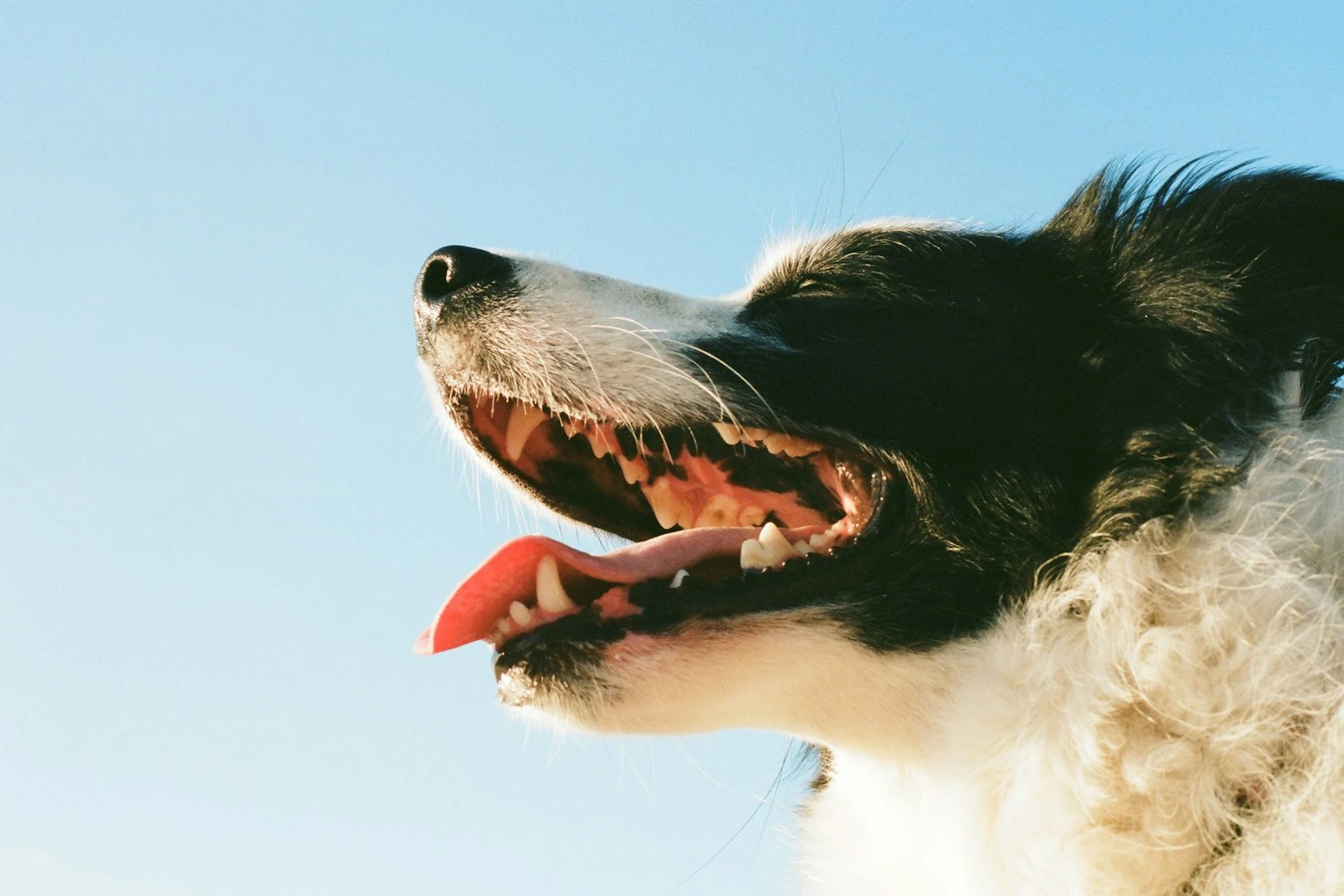
Ultrasonic scaling is a dental procedure in which we remove tartar (mineralised plaque) from your dog's or cat's teeth, both on the visible surface and below the gum line, where the most aggressive bacteria hide. We use a professional machine with a vibrating tip that dislodges tartar through high-frequency vibrations without harming the tooth enamel.
At Vetero, scaling is always carried out under general anaesthesia. This is the international medical standard — the only way we can properly and fully clean every surface, including beneath the gums, without stress or risk for the animal. After scaling, we polish the teeth to slow the return of tartar.
When is it necessary?
The veterinarian may recommend scaling when observing:
- Visible tartar on the surface of the teeth, especially on canines and back molars.
- Halitosis (bad breath), a sign of bacterial activity in the mouth.
- Gingivitis — red, swollen gums that bleed on contact.
- Excessive drooling, difficulty chewing or reluctance to eat.
- Loose teeth or tooth loss, a sign of advanced periodontal disease.
In general, we recommend a preventive scaling every 1-2 years for predisposed breeds (small, brachycephalic), and roughly every 2-3 years for larger breeds, depending on home oral hygiene and diet.
What to expect
Before the procedure
Before scaling we perform a complete clinical examination and blood tests to assess the safety of anaesthesia. In elderly animals or those with chronic disease we may request an additional cardiology consult. The animal should not eat for 8-12 hours beforehand but may drink water up to 2 hours before.
During the procedure
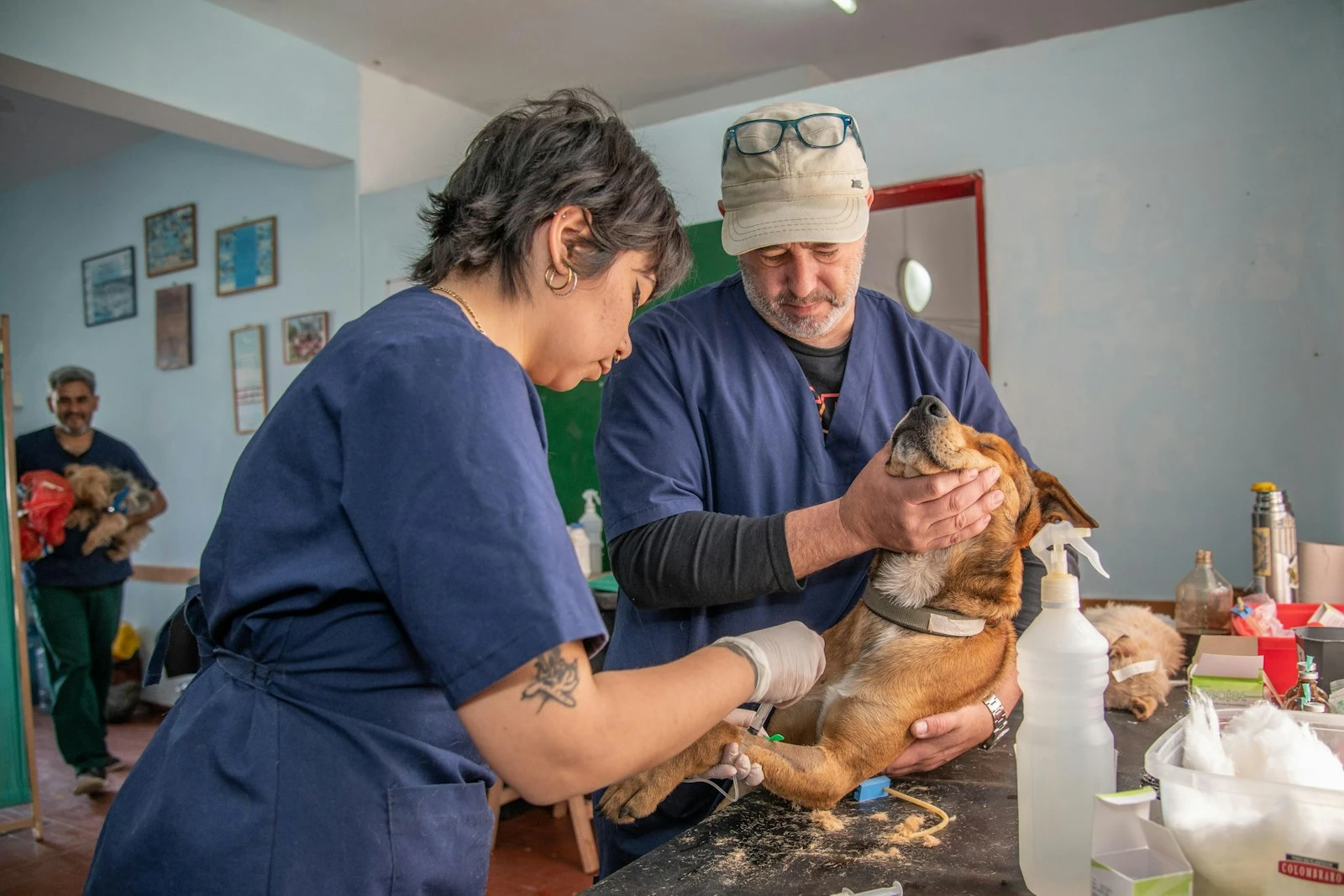
The procedure lasts between 45 and 90 minutes depending on the state of the teeth. The animal is intubated and ventilated, which protects the airways from tartar fragments and water. We clean each tooth with the ultrasonic tip, including under the gum, check every surface with a probe, identify diseased teeth (caries, fractures, mobility) and — if necessary — carry out the relevant extractions. At the end, we polish the teeth with a special paste to smooth the enamel.
After the procedure
The animal wakes up within a few minutes of anaesthesia ending, under the team's supervision. It goes home the same day, alert and able to eat soft food from that evening. We will give you clear instructions for home oral care: brushing, veterinary toothpaste, dental chews or antibacterial water additives. Good oral hygiene reduces how often future scaling will be needed.
Risks and considerations
Scaling is a safe procedure, but — like any intervention under anaesthesia — there are certain considerations:
- Anaesthetic risks, minimised by preoperative blood work and modern monitoring (pulse, saturation, blood pressure, capnography).
- Mild gum bleeding, normal in the first 24 hours.
- Tooth sensitivity, which subsides in 1-2 days.
- Discovery of hidden problems: sometimes the intraoperative examination reveals teeth with caries, fractures or abscesses requiring extraction. We will call you before intervening to obtain your consent.
Anaesthesia-free scaling, sometimes offered outside veterinary clinics, does not allow cleaning below the gum and is stressful for the animal — we strongly discourage it.
Frequently asked questions
- How often should scaling be done? It depends on the animal — yearly in small breeds, every 2-3 years in large breeds. Daily oral hygiene significantly extends the intervals.
- How much does scaling cost? Between 250-300 lei, anaesthesia not included. The cost of anaesthesia is calculated separately according to the animal's weight.
- Will my pet eat normally afterwards? Yes. We recommend wet or softened food on the first evening; from the next day it can return to its usual diet.
- Do I need to brush teeth at home? Yes, ideally daily, with veterinary toothpaste (never human toothpaste). Brushing prevents plaque formation and keeps teeth healthy between scalings.