What is toe or tail amputation?
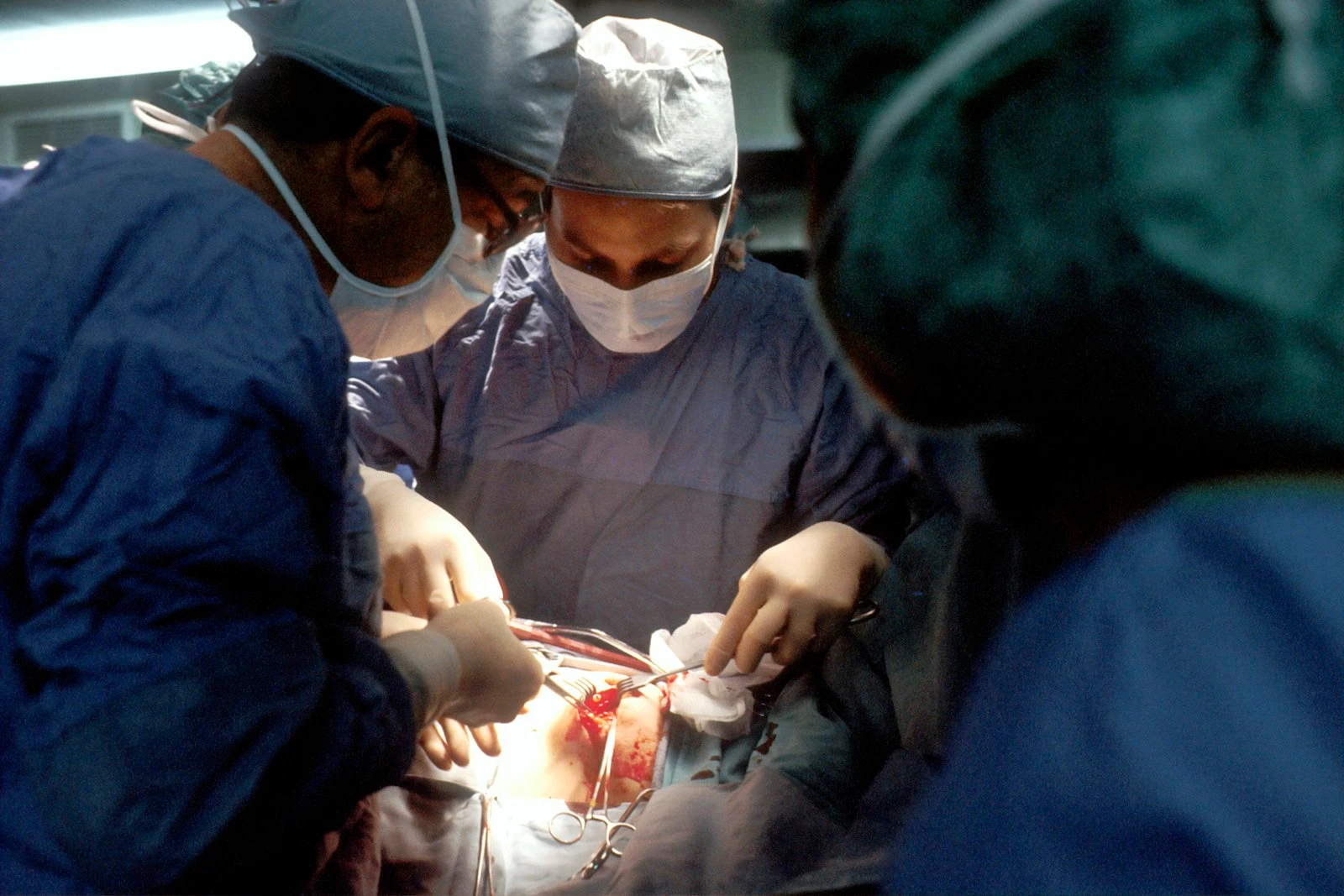
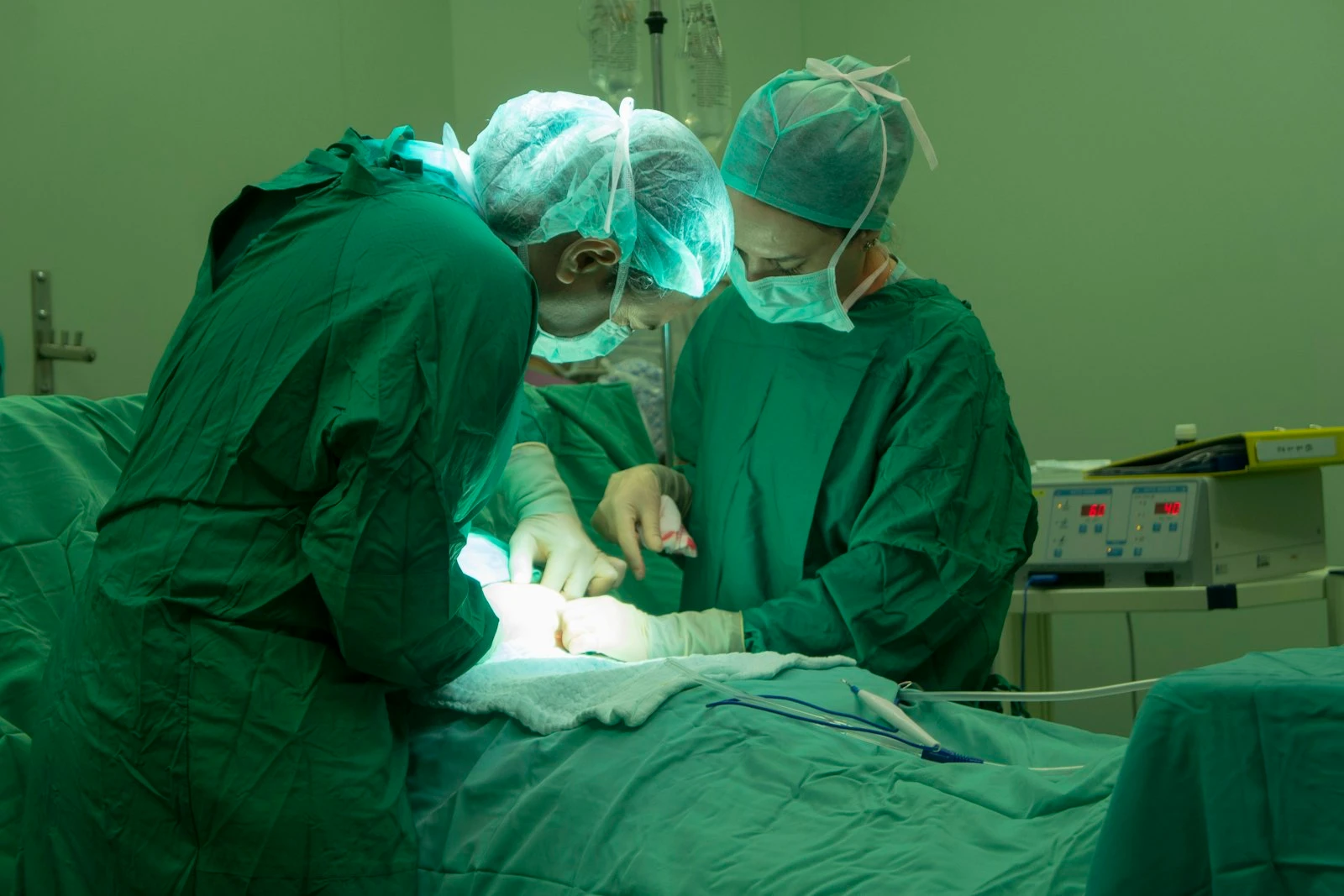
Toe or tail amputation is a local surgical procedure in which the veterinarian removes the affected part — a toe, a phalanx or a section of the tail. Unlike full limb amputation, it is a much more limited operation, with a quick recovery and minimal impact on quality of life.
At Vetero, the procedure is performed under general anaesthesia or, in very small cases, under deep sedation with local anaesthesia. We use minimally invasive techniques, carefully suture the skin and plan the post-operative treatment in detail, so that the animal heals comfortably.
When is it necessary?
The veterinarian may recommend this procedure in several situations:
- Irreversible trauma to a toe or the tail — frostbite, severe bites, open fractures that can no longer be reduced.
- Local tumours, especially on the tail or a toe — a limited mass can be completely removed by amputation.
- Chronic nail or phalanx infections that do not respond to repeated conservative treatment.
- "Happy tail" in long-tailed dogs, with chronic open wounds that do not close despite bandages and antibiotics.
- Painful malformations or supernumerary toes (dewclaws) that get caught in objects and are repeatedly injured.
After many months of unsuccessful treatment, limited amputation often becomes the fastest way to give the animal peace again.
What to expect
Before the procedure
Before surgery we run basic blood work, X-ray the affected area and — if we suspect a tumour — may recommend a biopsy or ultrasound. The animal should not eat for 8-12 hours before surgery. We clearly explain what we will do and what to prepare at home for recovery.
During the procedure
A toe amputation takes about 30-45 minutes, and a tail amputation between 30 and 60 minutes. The animal is under full anaesthesia, constantly monitored. We remove the affected tissue, carefully tie off the vessels, suture the skin in layers and apply a protective dressing.
After the procedure
The animal goes home the same day or, less commonly, after a night of observation. It receives oral pain medication and an antibiotic for 5-7 days. Wearing an Elizabethan collar to prevent licking or chewing the wound is essential. Stitches are removed after 10-14 days. Walking returns to normal within a few days, and everyday life — walks, play, climbing on the sofa — within 2-3 weeks.
Risks and considerations
The procedure is generally safe, but there are a few points worth bearing in mind:
- Minimal anaesthetic risk, managed through preoperative blood work and monitoring.
- Wound infection, prevented by antibiotics, local hygiene and the Elizabethan collar.
- Wound licking, the main cause of complications — the collar must stay on until the stitches are removed.
- Tail "phantom" sensation: some animals appear to look for a longer tail in the first few days; sensation returns to normal quickly.
In the vast majority of cases, the animal returns to a completely normal life with no visible limitations.
Frequently asked questions
- Will my dog be able to run and play normally? Yes. Losing a toe or part of the tail does not significantly affect mobility or balance.
- How much does the procedure cost? Between 500-900 lei, depending on the location, the animal's size and case complexity. The price includes anaesthesia, the procedure and the initial dressing.
- Will the amputated tail bleed a lot? Bleeding is minimal, and the sutures and dressing keep the wound secure. Check the dressing daily for the first few days.
- Will my cat still be able to use its claws? Yes, animals quickly compensate for the loss of a toe; in cats we always keep the remaining claws intact.