What is the DTM test?
DTM stands for Dermatophyte Test Medium, a culture medium designed to detect dermatophyte fungi — the agents that cause ringworm (dermatophytosis) in animals and sometimes in humans. The medium contains nutrients for fungal growth and a colour indicator: when a dermatophyte begins to grow, it changes the pH of the medium, and the medium shifts from yellow to red-orange.
The veterinarian collects a few hairs and small skin fragments from the edge of a suspect lesion, gently presses them onto the surface of the DTM medium, and the culture is then kept at room temperature. We check it daily for 10-14 days for colour change and the appearance of colonies.
At Vetero, the DTM test costs 50 lei and includes both the sample collection and the daily reading of the culture.
When is it needed?
The DTM test is recommended in several situations where we suspect a dermatophyte infection but need clear confirmation:
- Suspicion of ringworm in dogs and cats, especially when the Wood's lamp examination is negative or unclear, but lesions remain suspicious.
- Imported cats or cats from shelters, as a screening test, since they can be asymptomatic carriers.
- Verifying cure after antifungal treatment — two consecutive negative cultures confirm recovery.
- Before introducing a new animal into a household with children, other animals or immunosuppressed people.
- Diagnosis of atypical cases, when initial examinations are inconclusive.
DTM is considered the gold standard for diagnosing ringworm.
What to expect
Before the procedure
Ideally, the animal should not have been washed in the previous week and should not have received topical or oral antifungal treatments, as these can produce false-negative results. Tell the veterinarian if the animal has recently received any skin treatment.
During the procedure
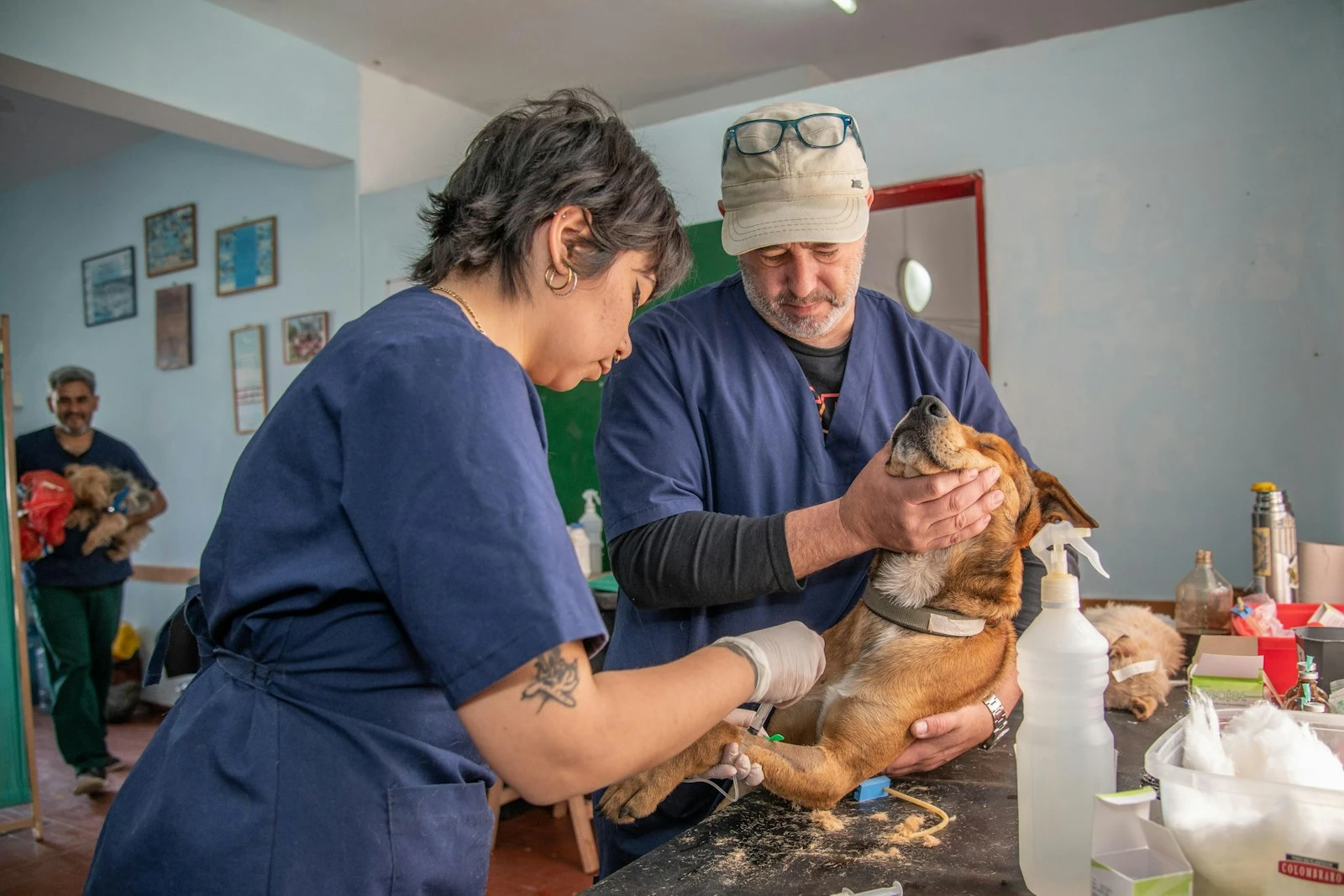
The veterinarian examines the animal, chooses the suspect areas and uses sterile forceps to collect a few hairs along with small fragments of flaking skin. For animals with suspected asymptomatic carriage, the toothbrush technique is used: a sterile brush is run through the whole coat for several minutes, and the captured hairs are then inoculated onto the medium. The procedure is painless and takes only a few minutes.
After the procedure
The culture is kept under controlled conditions, and the veterinarian checks it daily. A preliminary result can appear in 3-5 days, but for a definitive confirmation or exclusion the culture is kept for at least 10-14 days. We will call you when there is a clear result, and if it is positive, we will recommend the appropriate antifungal treatment and the necessary hygiene measures.
Risks and considerations
The DTM test is safe and painless for the animal. Here are a few important points to know:
- False positive result. Some non-dermatophyte fungi can occasionally turn the medium red. For that reason, the reading also includes microscopic examination of the colonies for definitive identification.
- False negative result. Recent antifungal treatments or washing before collection can reduce the number of fungi obtained.
- Waiting can be tedious. Unlike rapid tests, the culture requires patience; in exchange, its diagnostic value is very high.
- Household hygiene matters. If the result is positive, you will need to disinfect the environment the animal lives in, because spores can survive for months on textiles and objects.
Frequently asked questions
- How long until the final result? Between 10 and 14 days, sometimes up to 21 days for difficult cases.
- Why is DTM needed if the Wood's lamp is positive? Because the Wood's lamp only detects some strains of Microsporum canis, while the culture confirms and identifies the strain, which helps choose the treatment.
- My cat is healthy but has been near an affected one. Does she need DTM? Cats can be asymptomatic carriers. The toothbrush technique is ideal for screening in such cases.
- How do I know the treatment has worked? Through two consecutive negative DTM cultures, taken 2-4 weeks apart, after treatment has ended.
- Is it contagious to humans? Yes. Ringworm is a common zoonosis, especially for children and immunosuppressed people. Hand washing, wearing gloves when applying treatment and disinfecting spaces significantly reduce the risk.