What is spaying?
Spaying (ovariohysterectomy) is the surgical procedure in which a female dog's ovaries and uterus are removed. The procedure is performed under general anesthesia, through an incision on the midline of the abdomen, and usually takes between 45 and 90 minutes, depending on the dog's size and complexity.
At Vetero, spaying a female dog is one of the most common procedures we perform. We use modern anesthesia protocols, full monitoring throughout the surgery, and multimodal analgesia to ensure maximum comfort.
When is it needed?
Spaying may be recommended for several medical and preventive reasons:
- Prevention of pyometra, a serious uterine infection that often affects unspayed older female dogs and requires emergency surgery.
- Significantly reduced risk of mammary tumors, especially if spaying is done before the first or second heat.
- Elimination of ovarian and uterine tumor risk.
- No more bleeding or behaviors linked to heat cycles, and no risk of unwanted pregnancies.
- Definitive reproductive control.
The ideal age for spaying is discussed individually. For most small and medium-sized females, spaying is recommended before the first heat or between cycles. For large and giant breeds, the timing may be slightly delayed to allow full bone development.
What to expect
Before the procedure
On the day of surgery, your dog must fast for 8-12 hours. We recommend a pre-anesthetic consultation a few days before, which includes a clinical exam, blood tests, and if needed an electrocardiogram. We will explain in detail the steps of the surgery and the recovery, and you will sign the informed consent.
During the procedure
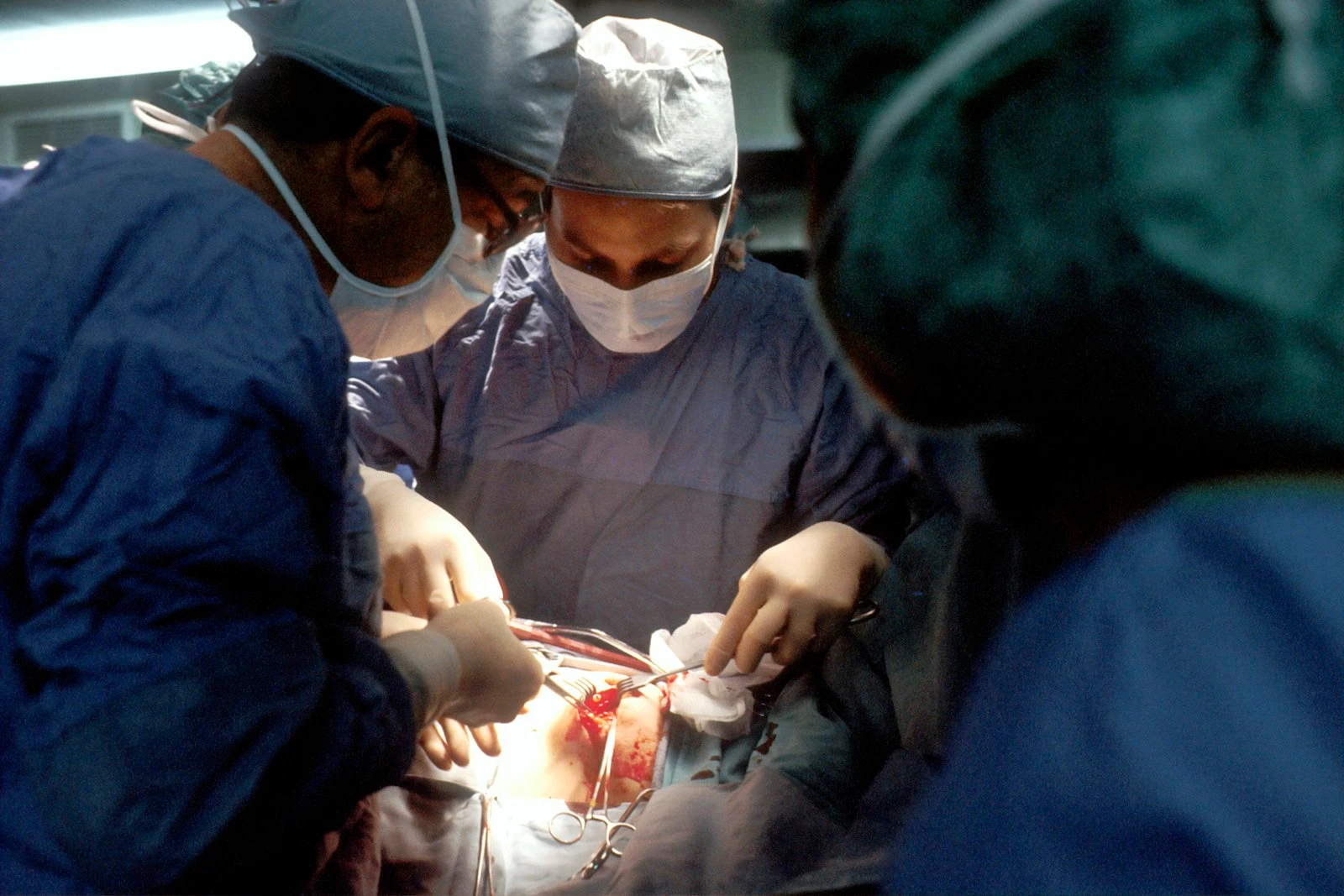
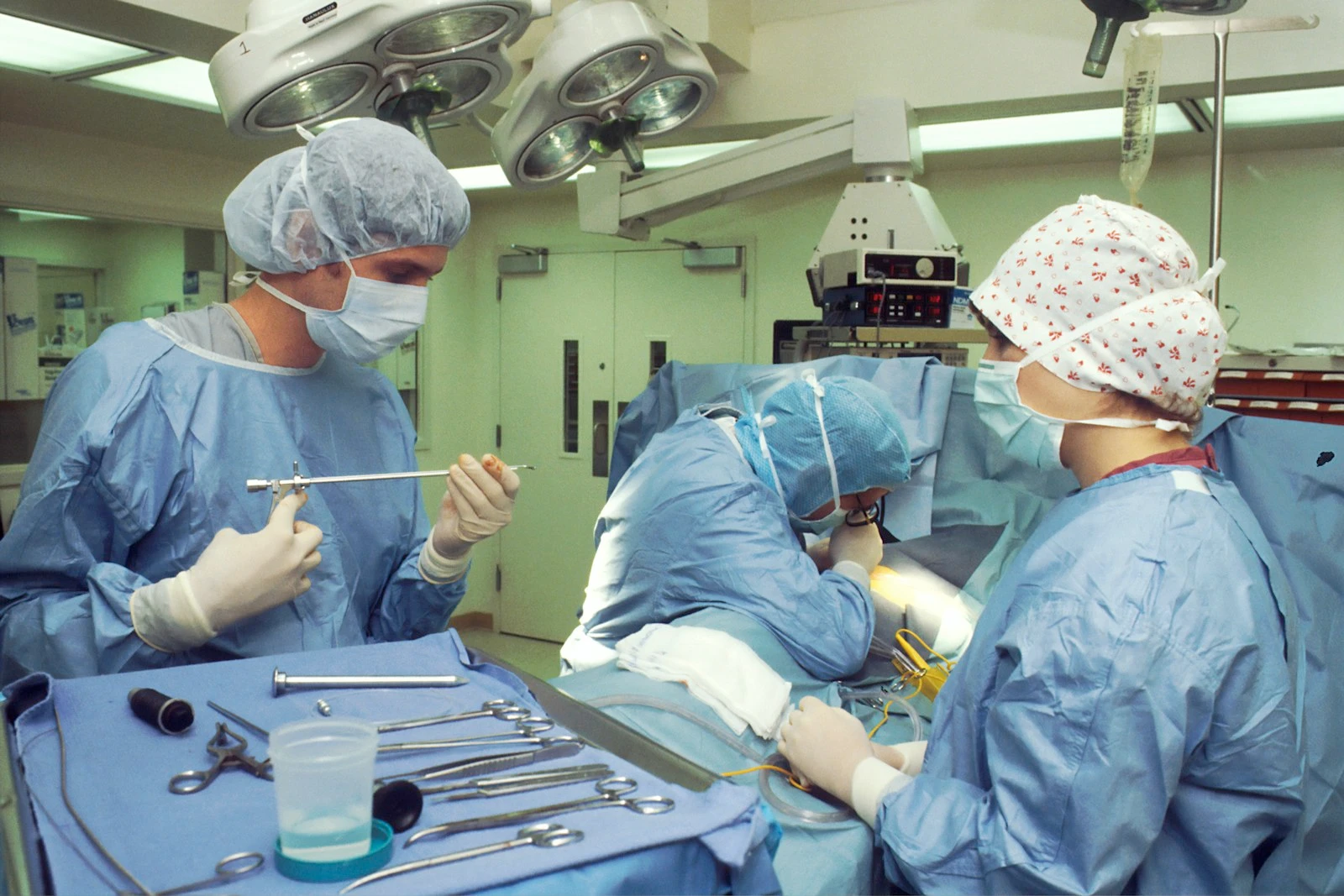
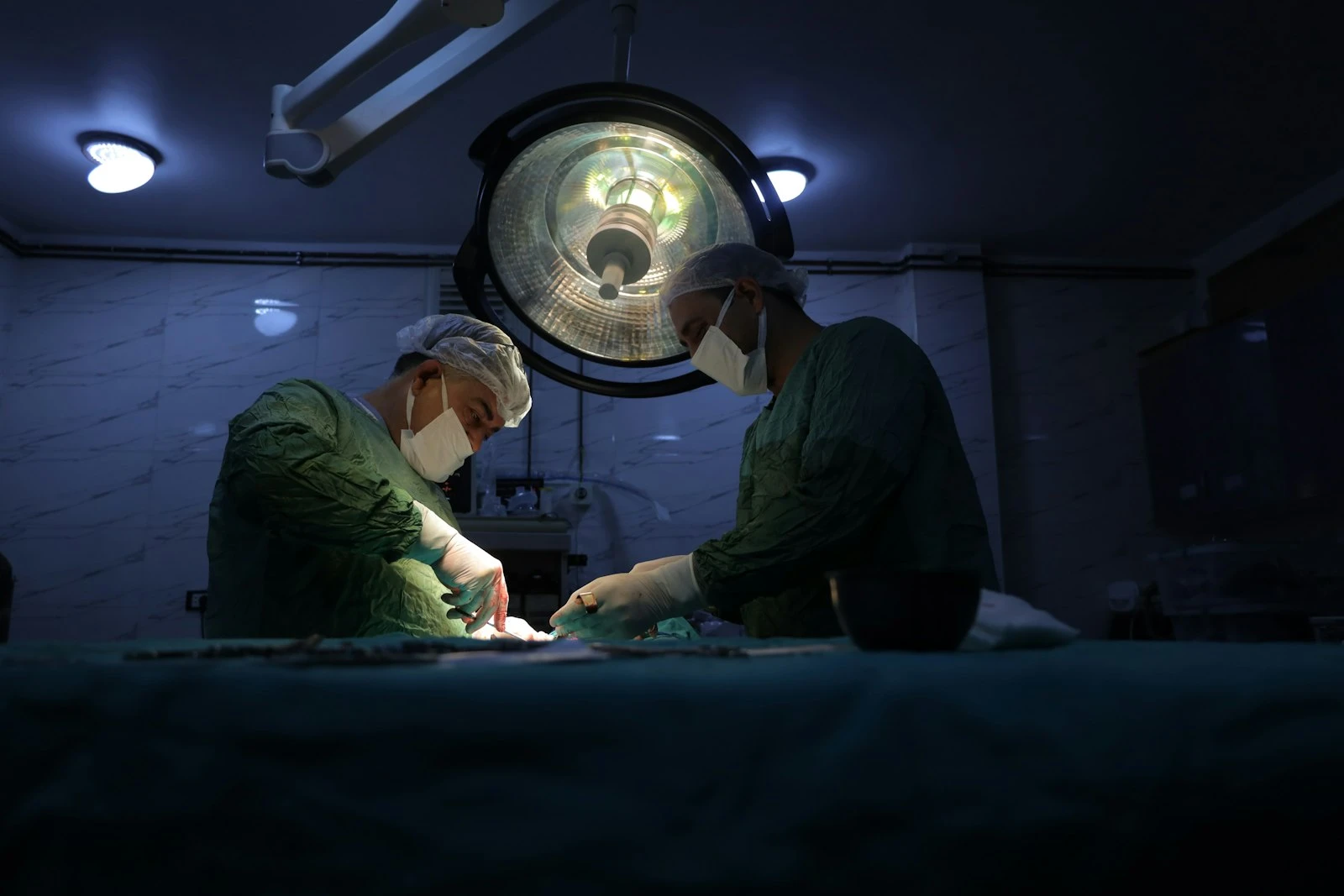
Your dog receives premedication with analgesics and sedatives, followed by general anesthesia. Throughout the procedure, we monitor pulse, breathing, oxygen saturation, blood pressure, and temperature. The surgeon makes an incision on the midline of the abdomen, locates the ovaries and uterus, ligates the blood vessels, and removes the entire reproductive tract. The abdominal wall is then closed in layers with absorbable sutures.
After the procedure
After waking from anesthesia, your dog stays at the clinic for a few hours or overnight. She will receive pain relief for 5-7 days, antibiotics, and a mandatory protective collar to prevent licking. At home, we recommend strict rest for 10-14 days, no jumping or rough play, short leash walks, and daily wound checks. External sutures are removed after 10-14 days.
Risks and considerations
Spaying is a safe procedure, but being an abdominal surgery it carries specific risks:
- Anesthetic risk, minimized through pre-anesthetic assessment and careful monitoring.
- Internal hemorrhage, prevented by correct ligatures and an experienced surgical team.
- Wound infection or inflammation, prevented by strict hygiene, the protective collar, and following the treatment plan.
- Urinary incontinence, which can occasionally appear in large breeds after a few years and responds well to treatment.
- Tendency to gain weight after spaying, manageable by adjusting food and maintaining exercise.
The benefits of spaying, particularly the prevention of pyometra and the reduced risk of mammary tumors, far outweigh these risks in most cases.
Frequently asked questions
- How much does spaying cost? The price is between 500-1000 lei, depending on the dog's size, case complexity, and technique used.
- How long is recovery? Full recovery takes 10-14 days, with a gradual return to normal activity.
- Does my dog change a lot after spaying? Her personality stays the same, but the behaviors linked to heat cycles and false pregnancy disappear.
- Can I spay her if she has already had puppies? Yes, spaying can be done at any age provided she is healthy; ideally not during a heat cycle or immediately after giving birth.