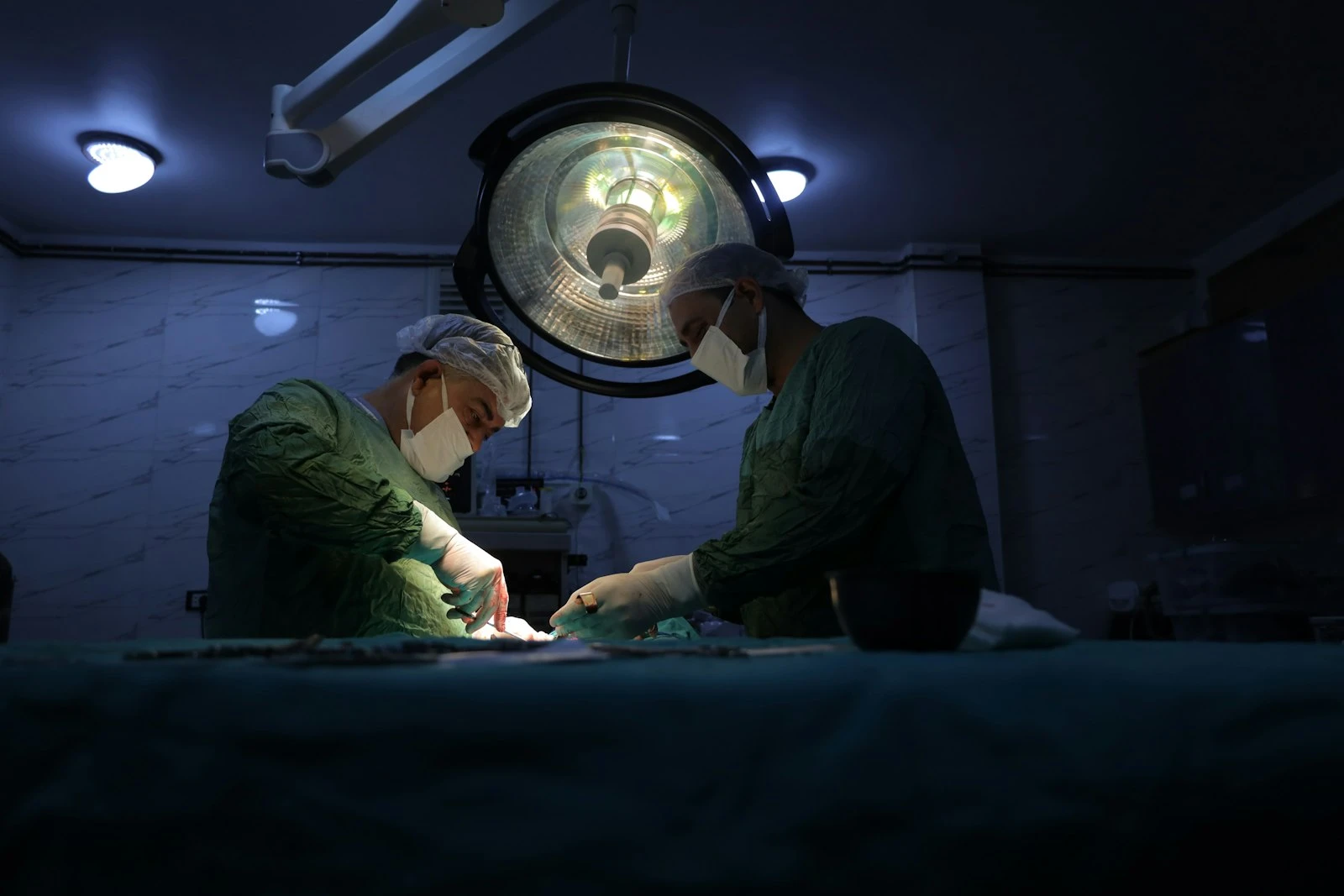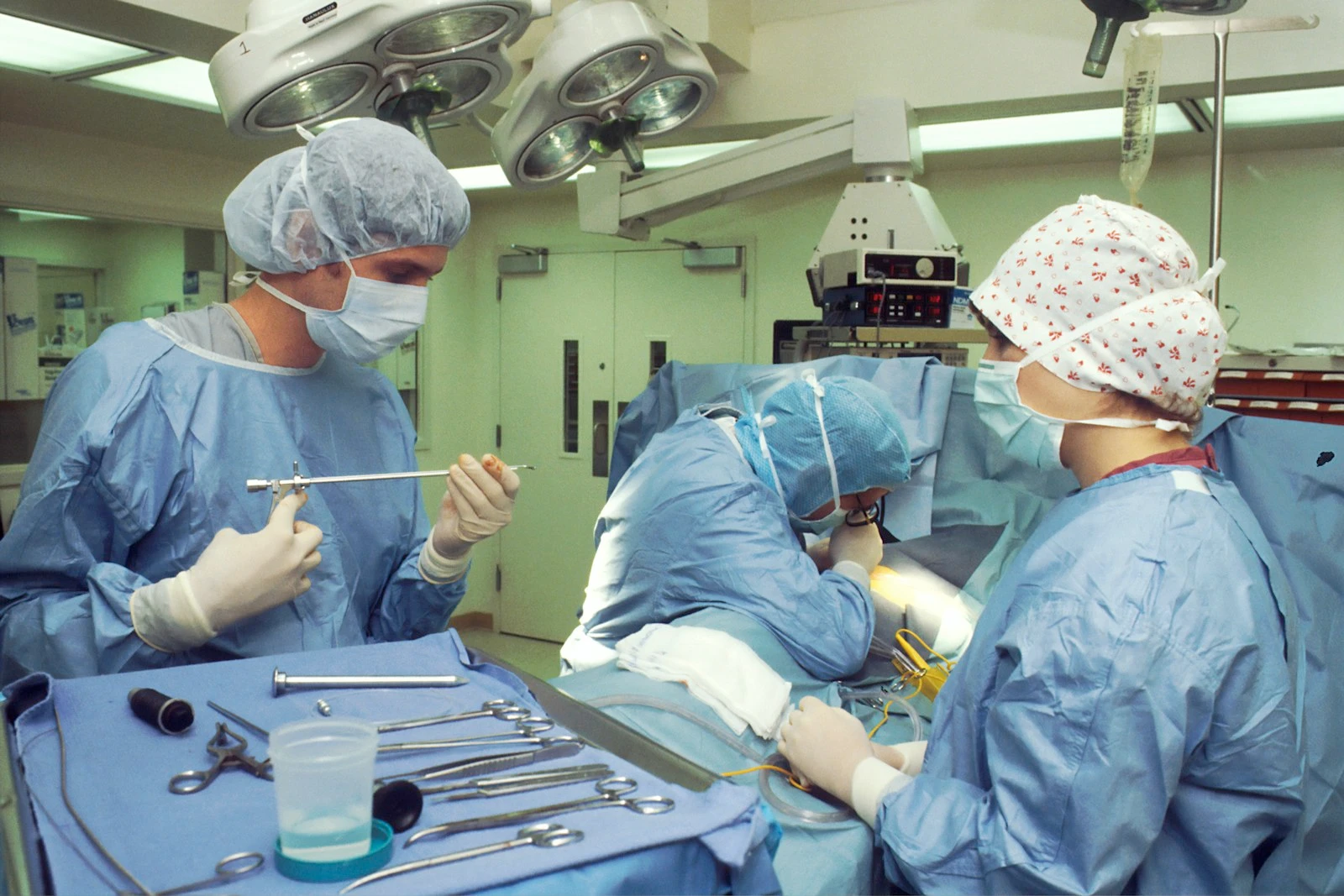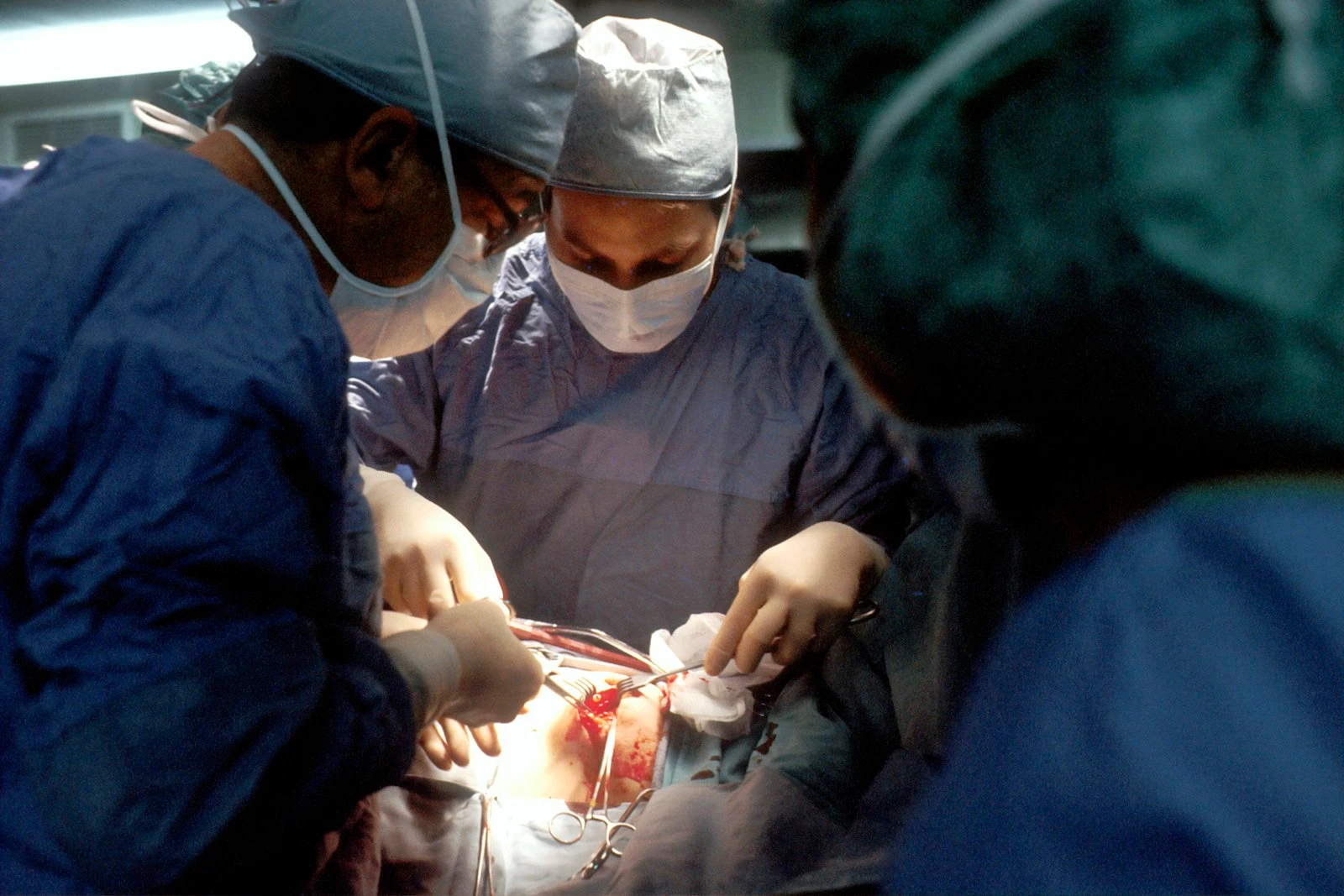
What is spaying a cat?
Spaying a cat (ovariohysterectomy) is the surgical procedure in which her ovaries and uterus are removed. The procedure is performed under general anesthesia, through a small incision on the midline of the abdomen or laterally on the flank, and usually takes between 20 and 40 minutes.
At Vetero, spaying a cat is one of the most common surgical procedures we perform. We use modern anesthesia protocols specifically adapted for cats, full monitoring throughout the procedure, and effective pain relief for a comfortable recovery. Small incisions and absorbable sutures allow quick healing without the need to remove stitches.
When is it needed?
Spaying a cat is recommended for several medical and welfare reasons:
- Significantly reduced risk of mammary tumors, especially if spaying is done before the first heat.
- Eliminated risk of ovarian and uterine tumors, as well as pyometra (a serious uterine infection).
- No more heat cycles, which in cats are frequent, intense, and disruptive (loud vocalization, agitation, urine marking).
- Prevention of unwanted kittens and the risks linked to pregnancy and birth.
- Reduced risk of infectious diseases such as FIV and FeLV, spread through fights and mating in cats with outdoor access.
The recommended age for spaying is usually between 4 and 6 months, before the first heat. The procedure can also be performed on adult cats at any stage of life, as long as they are healthy.
What to expect
Before the procedure
On the day of surgery, your cat must fast for 8-12 hours, but may drink water until the morning. We recommend a pre-anesthetic consultation, during which we perform a complete clinical exam and, optionally, blood tests. We will clearly explain the steps of the surgery and recovery, and you will sign the informed consent.
During the procedure
Your cat is premedicated with analgesics and sedatives, then placed under general anesthesia. Throughout the procedure, we monitor pulse, breathing, oxygen saturation, and temperature. The surgeon makes a small incision, identifies the ovaries and uterus, ligates the blood vessels, and removes the reproductive tract. The abdominal wall is then closed with internal absorbable sutures.
After the procedure
After waking from anesthesia, your cat is monitored for a few hours at the clinic. She will receive pain relief for the next 3-5 days and, if necessary, antibiotics. We will provide a protective collar or surgical suit to keep her from licking the wound. At home, we recommend rest for 7-10 days, in a quiet space, with no jumping onto high furniture. The cat fully returns to normal activity in about 2 weeks.
Risks and considerations
Spaying a cat is a very safe procedure, but like any surgery it carries certain risks:
- Anesthetic risk, reduced through pre-anesthetic assessment and careful monitoring.
- Internal hemorrhage, prevented by correct ligatures and an experienced team.
- Wound inflammation or infection, prevented by strict hygiene, the protective collar, and following the treatment plan.
- Tendency to gain weight after spaying, manageable by adjusting food and maintaining activity.
The benefits of spaying considerably outweigh these risks, especially in cats living indoors and not intended for breeding.
Frequently asked questions
- How much does spaying a cat cost? The price is 400 lei and includes anesthesia, the surgery, and pain relief to take home.
- How long is recovery? Your cat returns to normal activity in 10-14 days.
- Does my cat change a lot after spaying? Her personality stays the same; only the agitation of heat cycles and marking behavior disappear.
- At what age can I spay her? Ideally between 4 and 6 months, before the first heat; but it can be done at any age, provided she is healthy.