What is a simple tooth extraction?
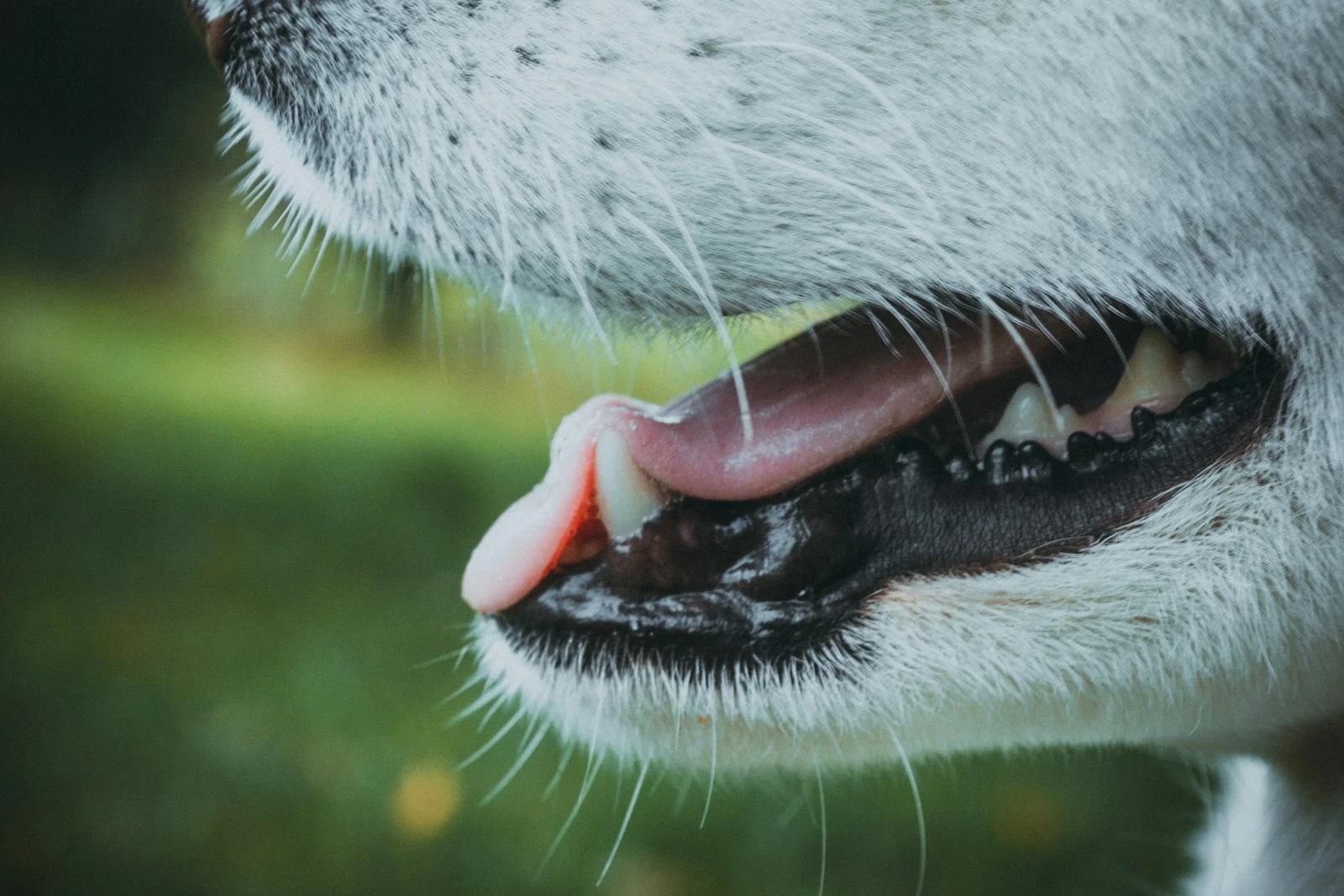
A simple tooth extraction is the procedure by which the veterinarian removes a damaged or loose tooth without the need for advanced surgical techniques (no sectioning of the tooth or bone). We speak of "simple" extractions for single-rooted teeth or for teeth with roots easy to remove — generally incisors, teeth loose because of periodontal disease, persistent baby teeth or teeth affected by extensive caries.
At Vetero, extractions are always performed under general anaesthesia, often in the same session as scaling. We use dedicated dental instruments and — when necessary — confirm the state of the roots by dental X-ray before extraction.
When is it necessary?
The veterinarian may recommend extracting a tooth in several situations:
- Advanced periodontal disease with bone loss and loose teeth — the tooth can no longer be saved.
- Extensive caries that have compromised the tooth structure.
- Feline tooth resorption, common in cats and painful; extraction is the only solution.
- Persistent baby teeth in young dogs and cats, preventing the correct eruption of the adult teeth.
- Fractured teeth with exposure of the pulp chamber — risk of pain and abscess.
- Dental abscesses with fistula on the face or into the nose.
The decision to extract is taken after clinical evaluation, possibly supplemented by a dental X-ray.
What to expect
Before the procedure
Before extractions we perform preoperative blood tests and a full clinical examination. The animal should not eat for 8-12 hours beforehand. If we suspect root problems, we plan intraoral dental X-rays. We will clearly explain which teeth can be saved and which need to be extracted, together with the estimated costs.
During the procedure
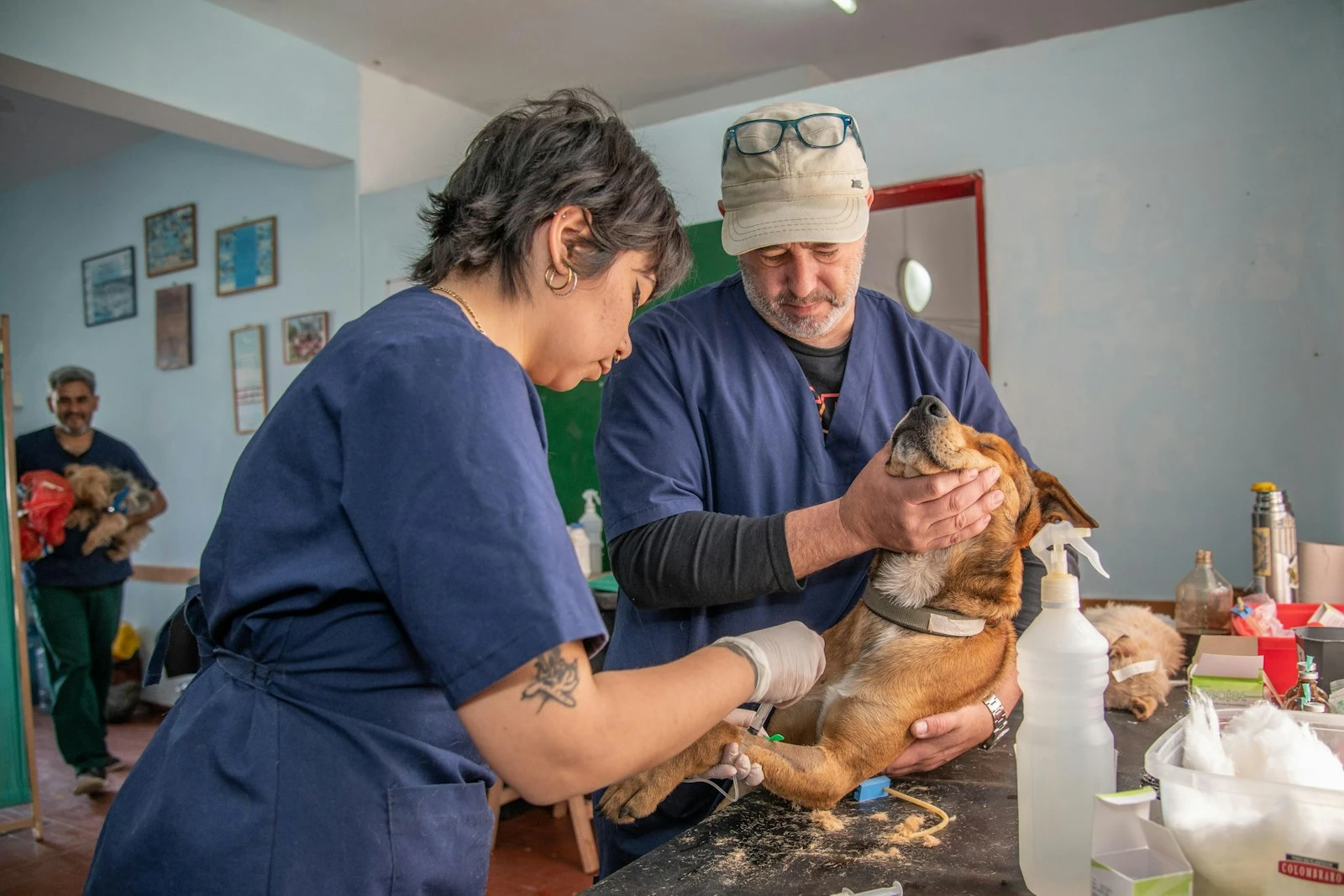
Each extraction takes between 5 and 20 minutes, depending on location and tooth condition. The animal is under full anaesthesia, intubated and continuously monitored. We also apply a local anaesthetic around the tooth to reduce post-operative pain. Using specific instruments, we loosen the periodontal ligament, extract the tooth with the complete root and suture the gum with absorbable thread if needed.
After the procedure
The animal wakes up within a few minutes and goes home the same day. It receives oral pain medication and an antibiotic for 5-7 days, if indicated. In the first 7-10 days we recommend wet or softened food, no bones, hard toys or abrasive treats. The gum heals in 10-14 days and the animal returns to full comfort.
Risks and considerations
Simple tooth extractions are safe, but it is worth knowing a few points:
- Minimal anaesthetic risk, managed through modern monitoring and preoperative analyses.
- Mild bleeding in the hours immediately afterwards, completely normal.
- Retained root tip in extremely rare cases — requires later surgical extraction.
- Temporary discomfort when eating in the first few days — soft food solves the problem.
The absence of a tooth does not affect the dog's or cat's life: animals eat normally, even with several missing teeth, and their lives become much more comfortable without the chronic pain of a diseased tooth.
Frequently asked questions
- Why can't we save the tooth? Unlike in humans, root canal treatments in animals are rare, expensive and not always recommended. For seriously affected teeth, extraction is the safest and most effective solution.
- How much does an extraction cost? Between 100-200 lei per tooth, depending on complexity. The price does not include anaesthesia or scaling, which are charged separately.
- Will my pet be able to eat without those teeth? Yes, without any problem. Dogs and cats adapt quickly, even after multiple extractions.
- Do I need to use special food afterwards? In the first few days, yes — wet or softened food. After the gum has healed, the animal returns to its usual diet.