What is sedation?
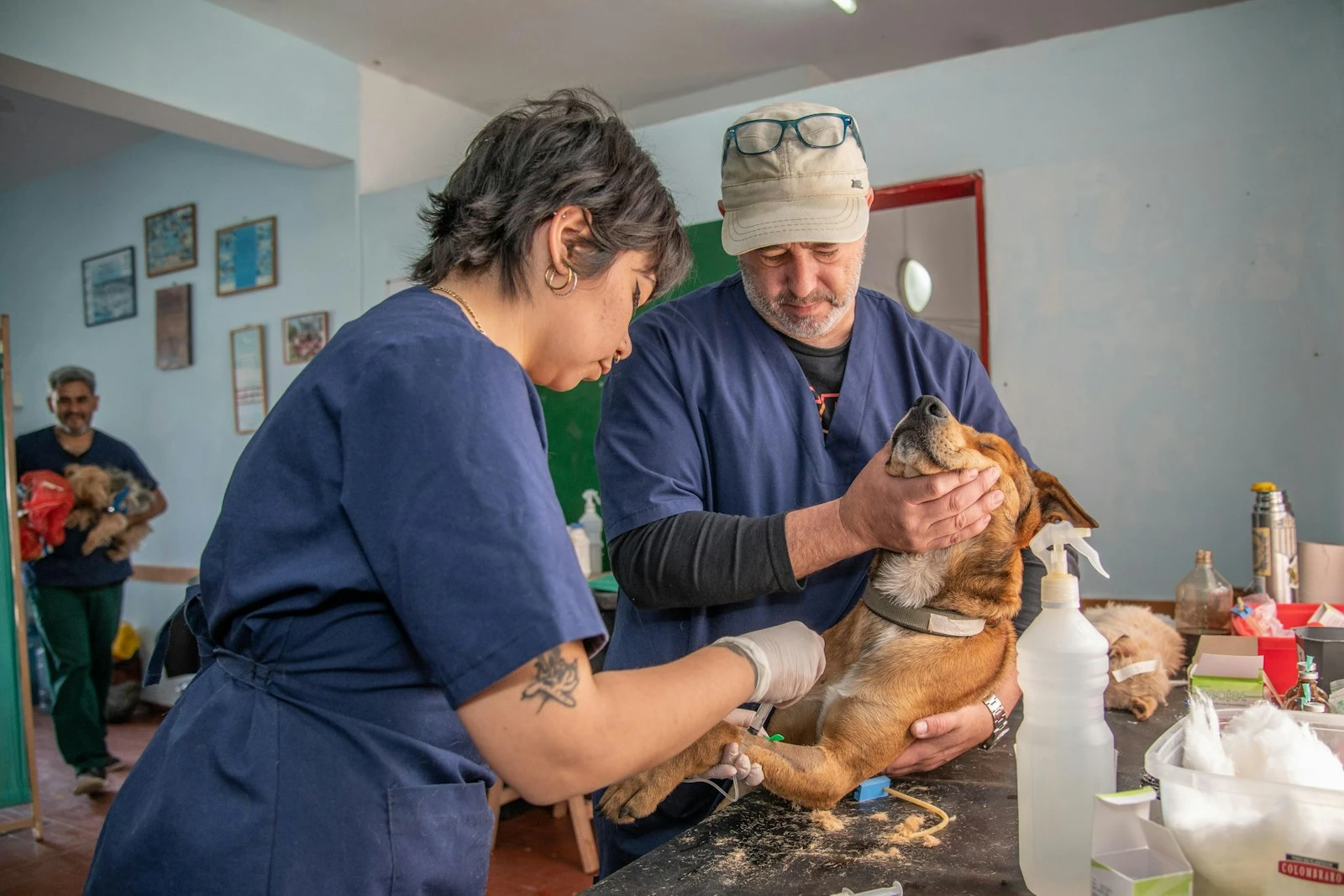
Sedation is a medical procedure in which, with the help of medication, the animal enters a state of deep calm, drowsiness, or light sleep. Unlike general anesthesia, sedation preserves basic reflexes and does not require intubation. The animal generally remains able to respond to strong stimuli, but is relaxed enough to be safely handled for short procedures or examinations that would otherwise be stressful.
At Vetero, we choose sedation medications and doses based on each patient's species, age, weight, temperament, and health status. All sedated animals are closely monitored until they wake up fully.
When is it needed?
Your veterinarian may recommend sedation in several situations, including:
- Difficult examinations in stressed, aggressive, or extremely fearful animals.
- Blood draws or other sampling in uncooperative patients.
- X-rays that require exact positioning of the animal (for example, to diagnose hip dysplasia).
- Abdominal ultrasounds in agitated animals.
- Minor dental procedures, ear cleaning, or grooming of sensitive areas.
- Suturing superficial wounds or removing stitches in anxious patients.
- Transport for extremely stressed animals, in medically justified cases.
What to expect
Before the procedure
Depending on the type of sedation, we may recommend that your pet fast for 6 to 8 hours before the procedure, to reduce the risk of vomiting. Water is usually allowed until 2 hours before. The veterinarian performs a clinical examination and, depending on age and health, may recommend blood tests or an ECG to assess anesthetic risk.
During the procedure
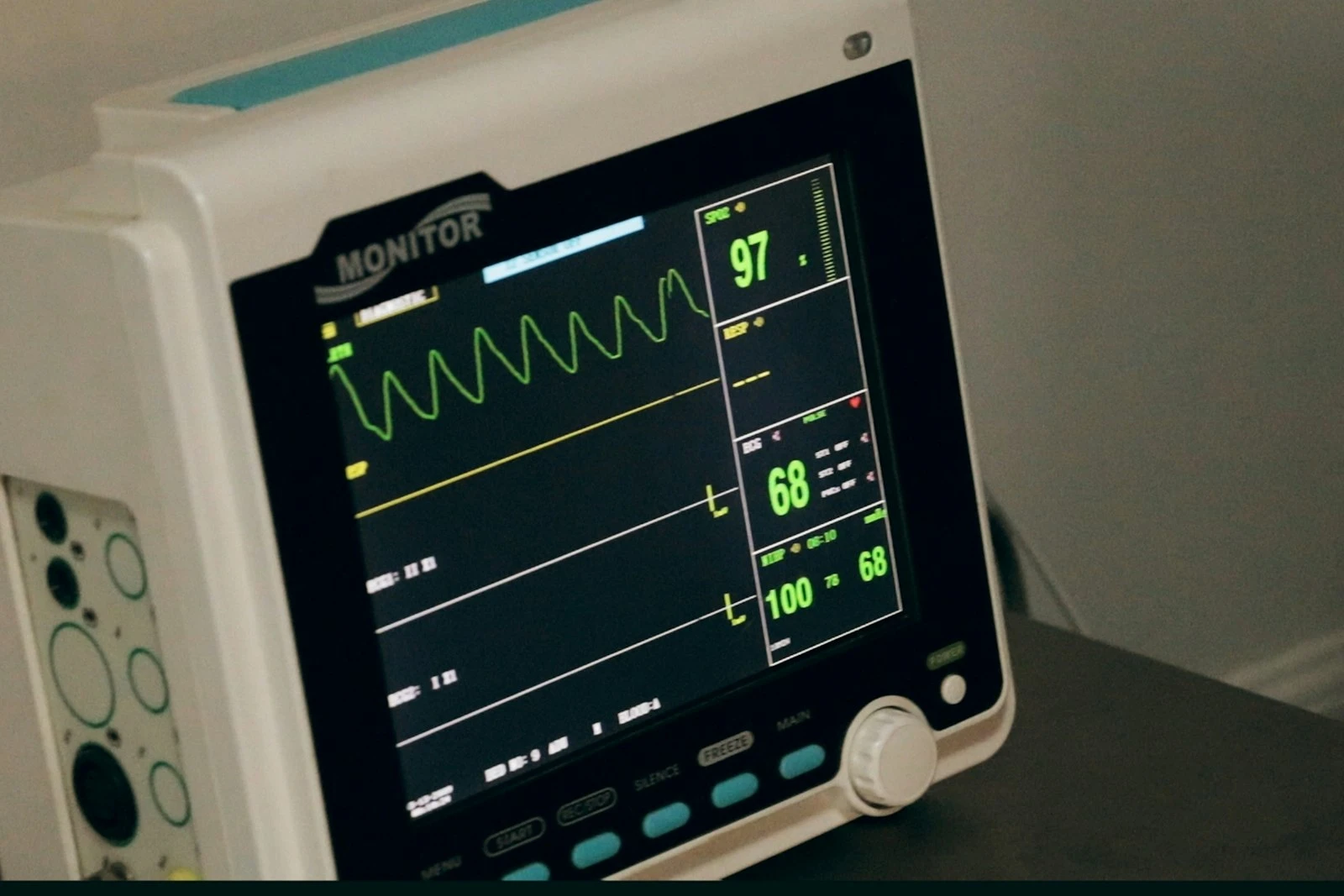
Sedative drugs are usually given by intramuscular or intravenous injection. The effect begins in 5 to 15 minutes, depending on the route. Throughout sedation, we monitor breathing, pulse, temperature, and oxygen saturation. Your pet is settled comfortably with a blanket to maintain body temperature. The duration of the effect varies between 30 minutes and 2 hours, depending on the protocol.
After the procedure
Once the procedure is finished, the animal remains under observation until they are fully awake and moving in a coordinated way. At home, we recommend providing a quiet area, away from stairs or other hazards, and offering water and food only after the animal is fully awake. It is normal for the pet to be drowsier for the first 12 to 24 hours.
Risks and considerations
Although modern sedation is safe, there are risks worth knowing:
- Individual reactions to the medication, more frequent in animals with chronic illnesses.
- Drop in body temperature, prevented with warming blankets.
- Vomiting or excessive salivation on waking.
- Uncoordinated movements and unsteadiness for a few hours.
Risks are higher in older animals, those with heart, liver, or kidney conditions, and in brachycephalic breeds (Bulldog, Pug, Persian). That is why the pre-anesthetic evaluation matters.
Frequently asked questions
- How much does sedation cost at Vetero? The price ranges between 60-250 lei, depending on the animal's weight, the medications used, and the duration of sedation.
- What is the difference between sedation and general anesthesia? Sedation preserves basic reflexes and is used for short procedures, while general anesthesia is a deeper state with total loss of reflexes that requires intubation.
- Will my pet feel pain? Sedation alone does not fully eliminate pain. If the procedure is painful, analgesics or local anesthesia are added.
- How long until they wake up? Generally, the animal wakes up in 30 to 60 minutes, but may remain drowsy for several hours.
- Can I stay with my pet? Depending on the procedure, we will let you know if you can be present.