What is the Schirmer test?
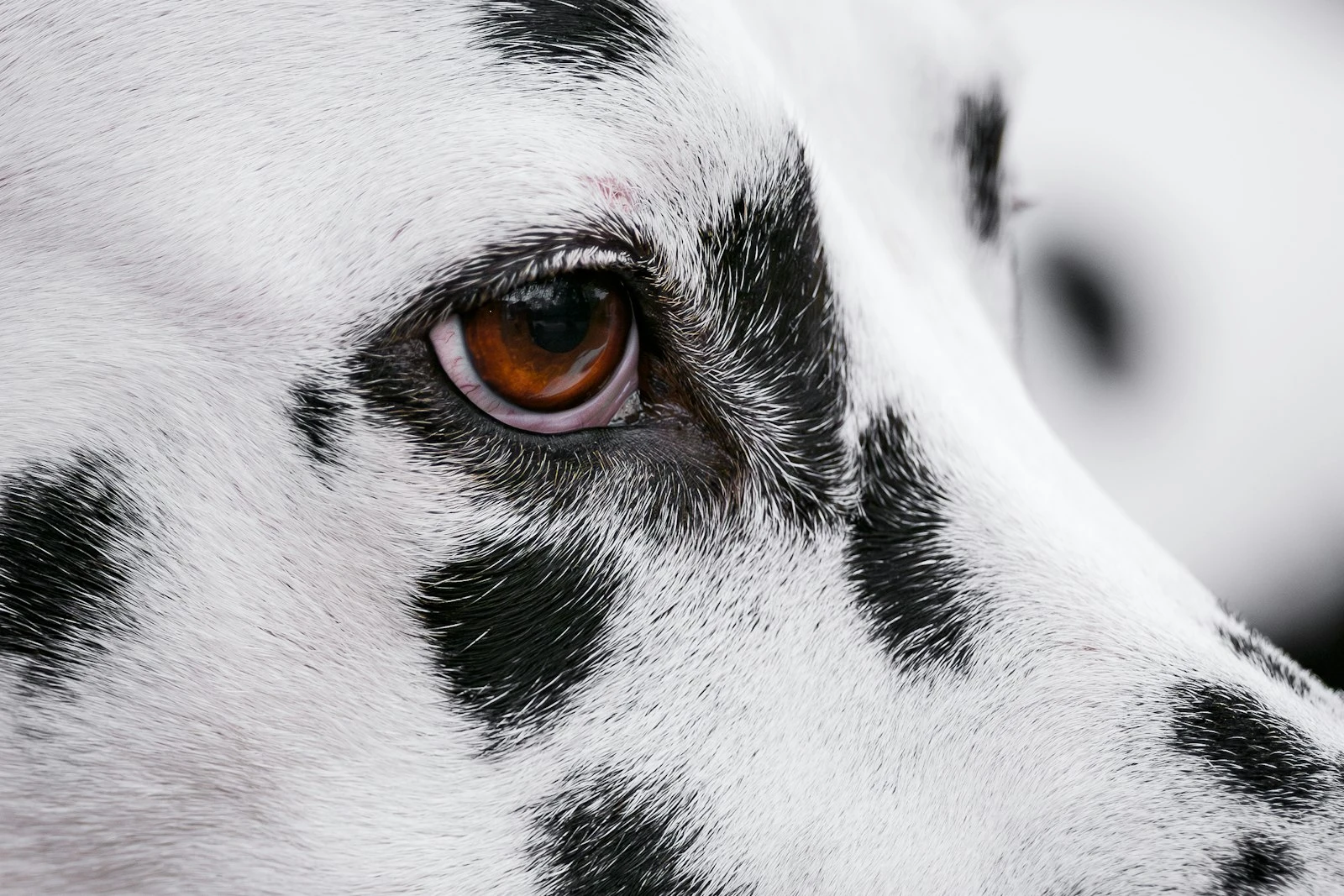
The Schirmer test is a diagnostic procedure in which the veterinarian measures how many tears your pet's eye produces over one minute. A special strip of absorbent paper, marked in millimetres, is gently placed in the lower eyelid. As tears wet the paper, the colored end advances, and the veterinarian reads the value at the end of the test.
At Vetero we use sterile, single-use strips, and the test does not require anesthesia. It is one of the most important investigations in veterinary ophthalmology — quick, non-invasive, and very useful to confirm or rule out dry eye syndrome (keratoconjunctivitis sicca).
When is it needed?
The veterinarian may recommend a Schirmer test when noticing signs that suggest a tear production problem:
- Thick, sticky, yellowish or greenish discharge, constantly present in one or both eyes.
- Persistent redness of the conjunctiva and a dull or cloudy appearance of the cornea.
- Itching and repeated rubbing of the face with a paw or against objects.
- Recurrent conjunctivitis that does not respond to usual treatments.
- Monitoring breeds predisposed to dry eye, such as Bulldog, Cocker Spaniel, Shih Tzu, West Highland White Terrier.
- Before and after certain eye procedures or during long-term treatments that may affect tear production.
What to expect
Before the procedure
No special preparation is needed. Your pet does not need to fast, and no eye drops should be given in the hours before the test, as they would influence the result. You will hold your pet in your arms or on the exam table, calm and relaxed.
During the procedure
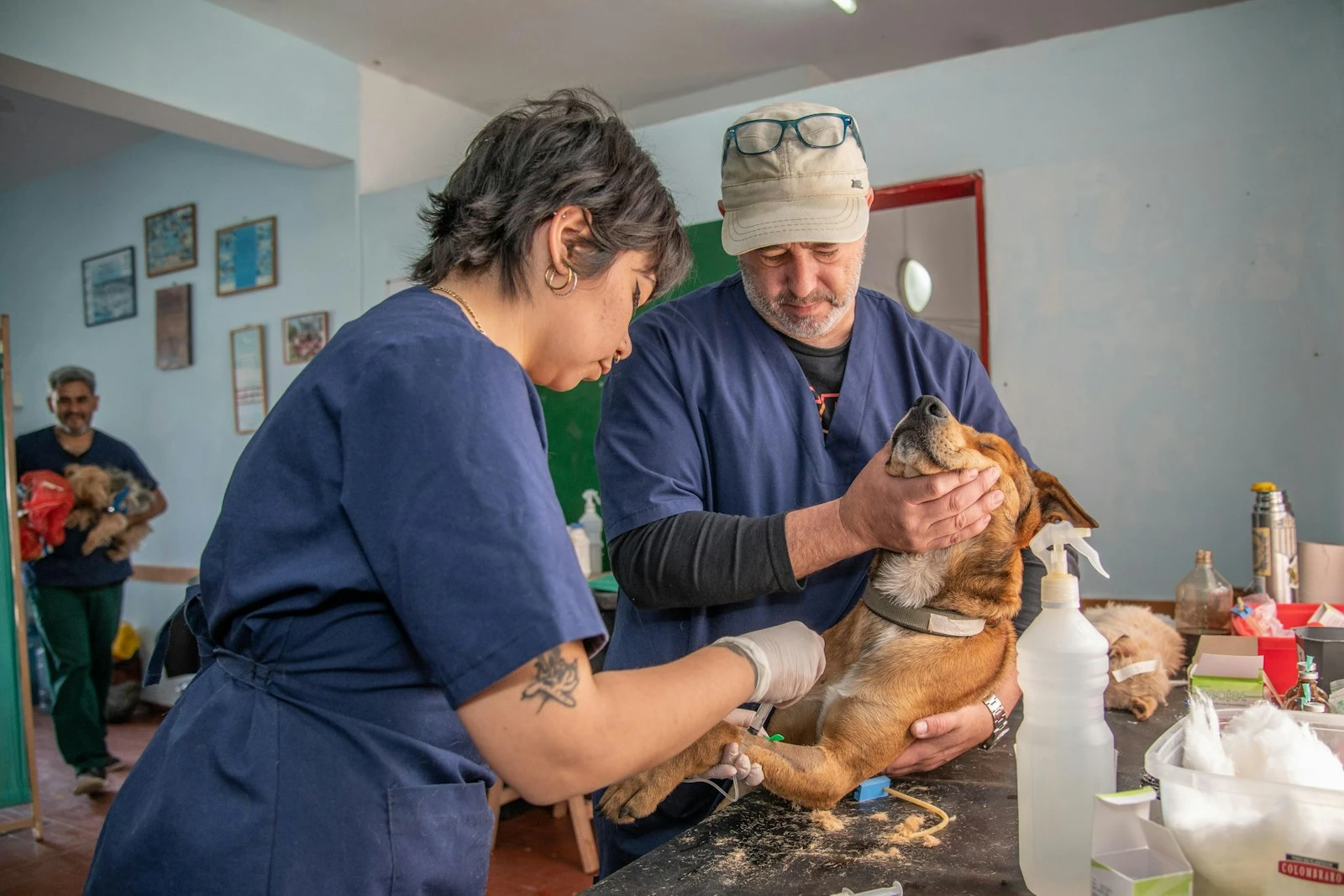
The veterinarian gently opens the eyelids and inserts the bent end of the strip between the lower eyelid and the eyeball, at the outer corner of the eye. The strip stays in place for exactly 60 seconds. Most animals tolerate the procedure very well, feeling only a slight tickle. The test is usually done in both eyes for comparison.
After the procedure
The veterinarian immediately reads the value in millimetres and interprets it in the clinical context. In dogs, normal values are above 15 mm/minute; below 10 mm/minute indicates dry eye. In cats, the ranges are more variable. Based on the result, the veterinarian will recommend appropriate treatment — usually artificial tears, and in confirmed cases, drops that stimulate the body's own tear production.
Risks and considerations
The Schirmer test is safe, painless, and carries no significant risks. A few points are still useful to know:
- An isolated test can be influenced by stress or by prior handling of the eye; the veterinarian may recommend repeating it for confirmation.
- Certain medications (sulfonamides, atropine) can reduce tear production; tell the veterinarian about any ongoing treatment.
- In very agitated animals, values may be slightly artificially elevated.
Frequently asked questions
- How long does the test take? About 1-2 minutes for both eyes.
- Is it painful? No, your pet feels only a slight tickle.
- Is sedation needed? No, the test is done on an awake animal, during a normal consultation.
- How much does it cost? At Vetero, the Schirmer test costs 25 lei.
- If the result is abnormal, what comes next? The veterinarian sets up a personalized treatment plan, which may include artificial tears, ciclosporin or tacrolimus drops, and regular check-ups.
- Does it need to be repeated? Yes, in dry eye treatment the test is repeated periodically to track progress.