What is a foreign body removal from the eye?
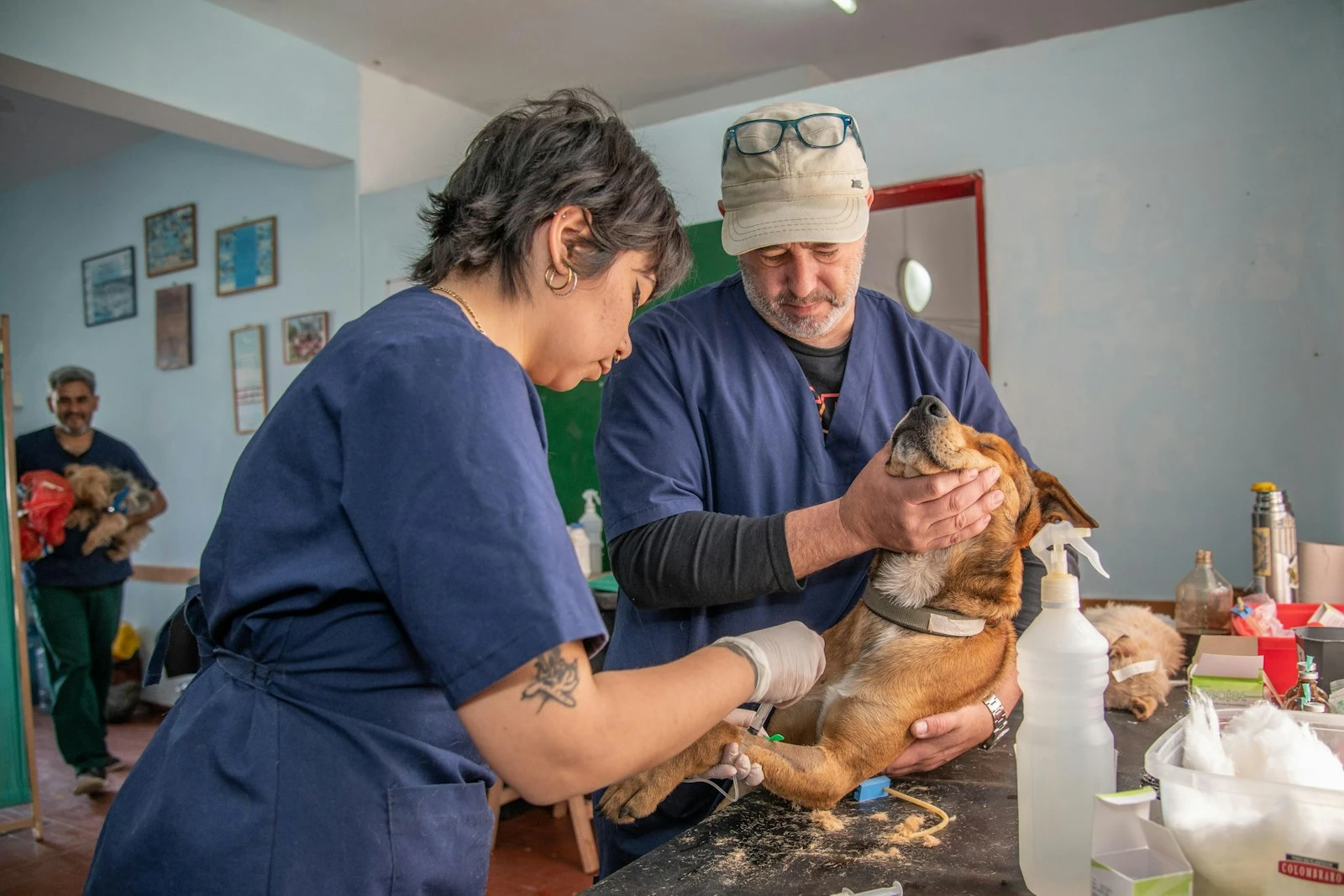
Foreign body removal is a procedure in which the veterinarian removes an object that has accidentally lodged in the eye or under the eyelids — most often blades of grass, seeds, splinters, thistle parts, hairs, dirt particles, or insects. The procedure uses fine ophthalmic instruments, strong light, magnification, and strict hygiene.
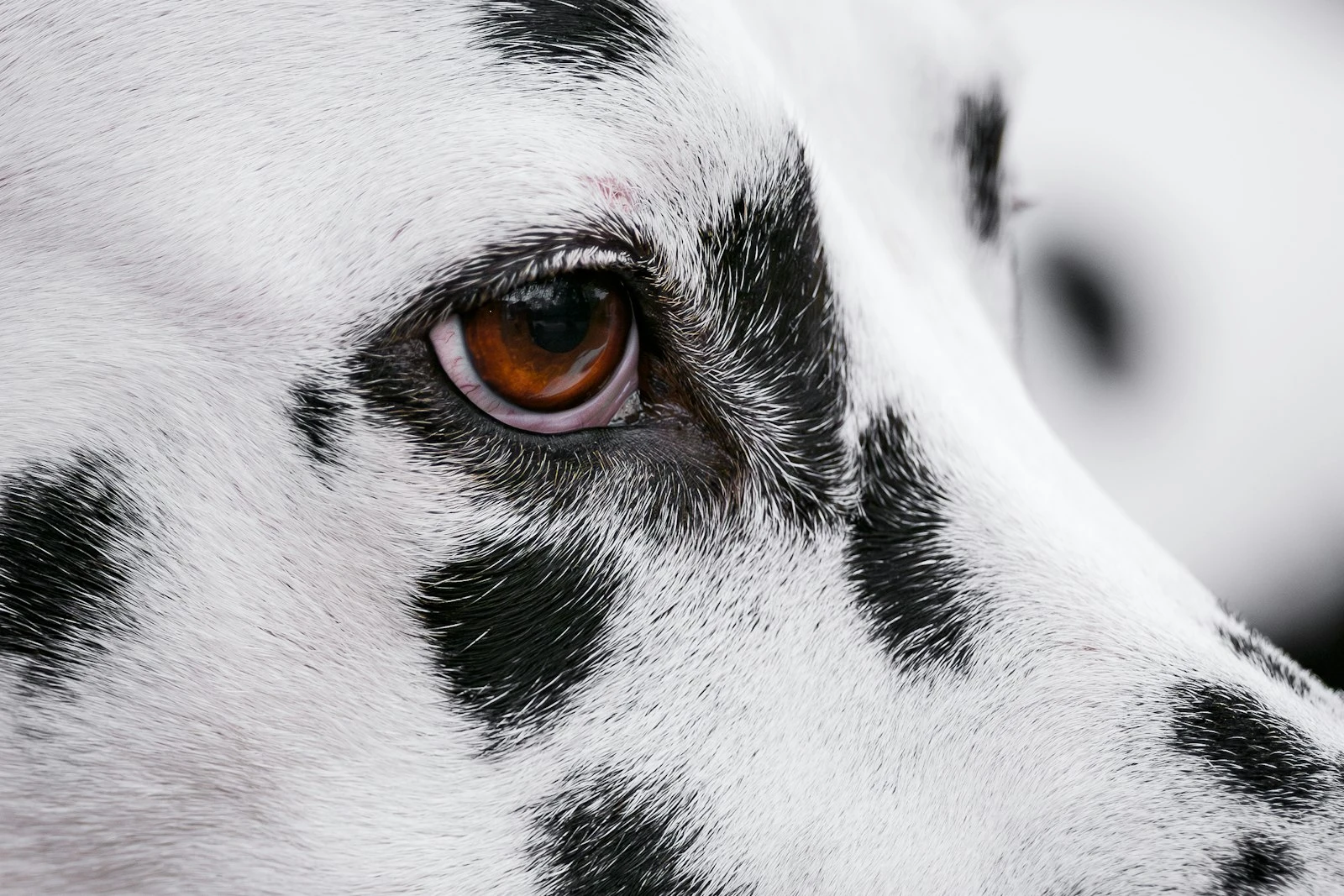
At Vetero, before removal, we carefully examine the entire eye: the eyelids, all three eyelids (including the third eyelid, under which foreign bodies often hide), the conjunctiva, and the cornea. We use special stains (fluorescein) to highlight any corneal scratches.
When is it needed?
The procedure becomes urgent when your pet shows signs of eye pain:
- Sudden closing of one eye or excessive blinking (blepharospasm).
- Heavy tearing, sometimes blood-tinged.
- Rubbing the eye with a paw or against furniture.
- Marked redness of the conjunctiva and eyelid swelling.
- Sensitivity to light and refusal to open the affected eye.
- Visible object on the eye surface or under the eyelids.
Fast presentation is crucial: a foreign body left in the eye for a few hours can cause a corneal ulcer; over days, it can lead to perforation and loss of the eye.
What to expect
Before the procedure
Fasting is not required if removal can be done under local anesthesia. For deeply lodged objects or uncooperative animals, light sedation or short general anesthesia is needed; in that case your pet should not have eaten for the last 6-8 hours. The veterinarian examines the eye, assesses pain, and chooses the right method.
During the procedure
The veterinarian instills topical anesthetic drops, which take effect within minutes. Using fine forceps, ophthalmic tweezers, or generous saline irrigation, the object is removed. In trickier cases, the third eyelid is gently lifted to access hidden areas. After removal, the cornea is rechecked with fluorescein to detect any scratches.
After the procedure
You will go home with antibiotic eye drops and, if needed, anti-inflammatory drops, plus an Elizabethan collar to prevent rubbing. A superficial irritation heals in 24-48 hours; a superficial corneal ulcer heals in 5-7 days. We schedule a follow-up in 2-3 days to check healing. Your pet can eat and rest normally.
Risks and considerations
Removal is a safe procedure when done promptly, but a few points are worth noting:
- Corneal ulcers may already be present at presentation or develop later from rubbing the eye.
- Secondary bacterial infections are possible if the object stayed in the eye longer; topical antibiotic treatment prevents them.
- Residual fragments are sometimes hard to detect — which is why the follow-up visit matters.
- Deeply lodged objects (for example, grass awns that have migrated into the conjunctiva) may require a more extensive surgical procedure under general anesthesia.
- Never try to remove a foreign body yourself at home — the risk of pushing it deeper or perforating the cornea is very high.
Frequently asked questions
- How long does the procedure take? Usually 10-30 minutes.
- Is it painful? Thanks to the topical anesthetic drops, the procedure is not painful.
- Is general anesthesia needed? Only for deeply lodged objects or uncooperative animals.
- How much does it cost? At Vetero, foreign body removal costs between 100-200 lei, depending on complexity.
- What should I do until I get to the clinic? Don't let your pet rub the eye, put a collar on if you have one, and come in as soon as possible.
- Can I use drops at home? Only artificial tears; do not use corticosteroid drops or other treatments without the veterinarian's advice.
- Will the eye fully heal? In most cases, yes, if treatment is followed correctly.