What is pyometra?
Pyometra is a serious infection of the uterus, in which the uterine cavity fills with pus. It occurs in unspayed female dogs and cats, usually a few weeks after the last heat cycle. Under hormonal influence, the uterine wall thickens and becomes vulnerable to bacterial infections (most often E. coli), which enter from the vagina.
There are two forms: open pyometra, in which the cervix is open and purulent or bloody vaginal discharge is visible, and closed pyometra, more dangerous, in which the pus remains trapped inside the uterus and there is no visible discharge — clinical signs are less specific and diagnosis comes later. At Vetero, pyometra is one of the most common emergencies in unspayed females, and the standard treatment is surgery to remove the uterus and ovaries (ovariohysterectomy).
When is surgery needed?
Surgery is needed as soon as the diagnosis is confirmed. The signs that should alert you are:
- Symptoms appearing 4-8 weeks after heat: reduced appetite, lethargy, increased thirst, frequent urination, vomiting.
- Abnormal vaginal discharge, especially purulent, brown, or bloody, with an unpleasant smell.
- Enlarged, painful abdomen, more visible in small females.
- Fever or, conversely, low body temperature in severe cases.
- Rapidly deteriorating general condition, up to septic shock.
The diagnosis is confirmed by clinical examination, abdominal ultrasound (the uterus is clearly distended and fluid-filled), and blood tests (marked leukocytosis, kidney and liver changes). The sooner diagnosis and surgery happen, the better the prognosis.
What to expect
Before the procedure
The patient is stabilised before surgery: intravenous fluids for hydration, broad-spectrum antibiotics, painkillers, and a transfusion if needed. Complete blood tests and ultrasound help us assess the impact on other organs (kidneys, liver). We explain the risks and costs (750-1450 lei, depending on size, complexity, and length of hospitalisation) in plain language and obtain your informed consent.
During the procedure
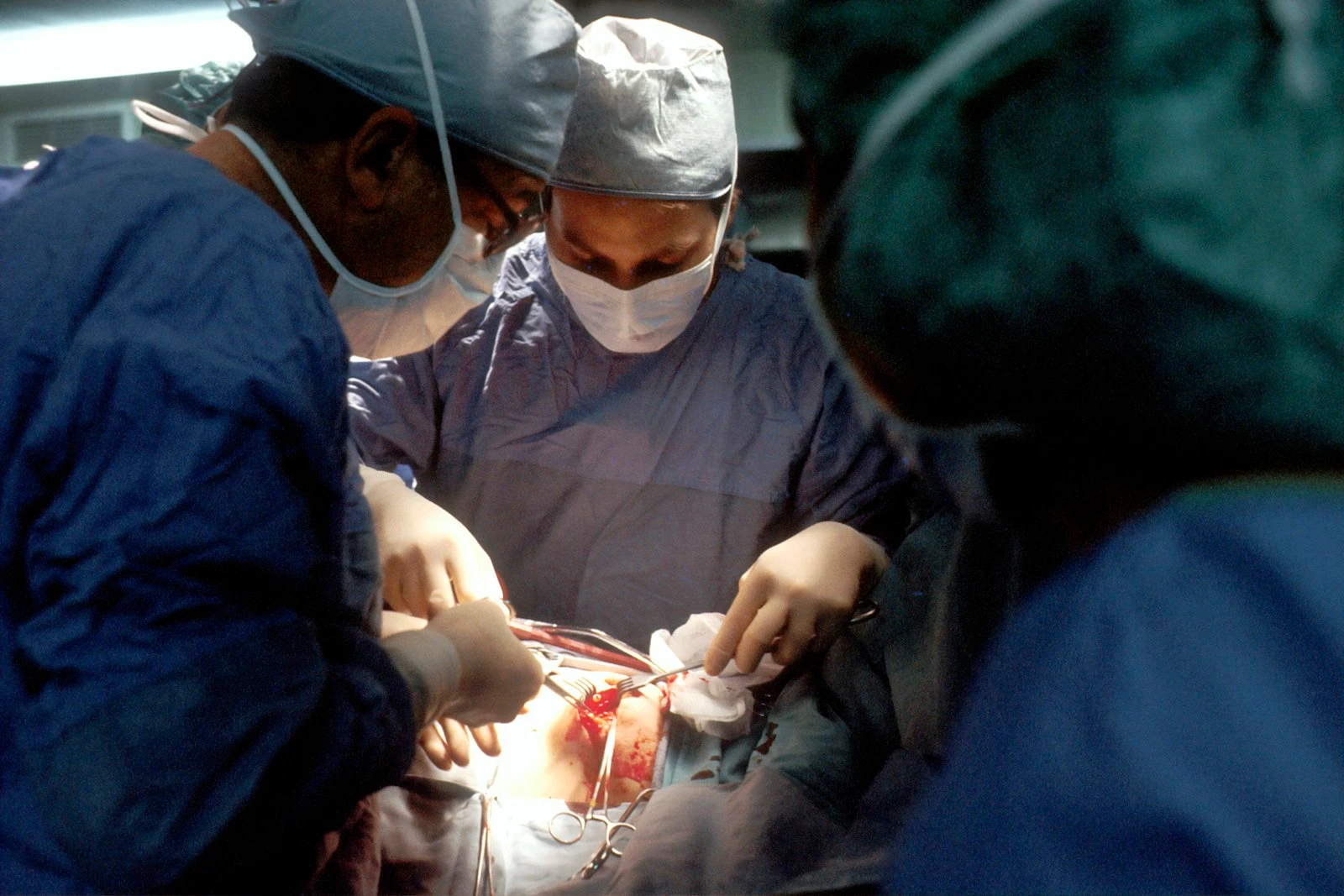
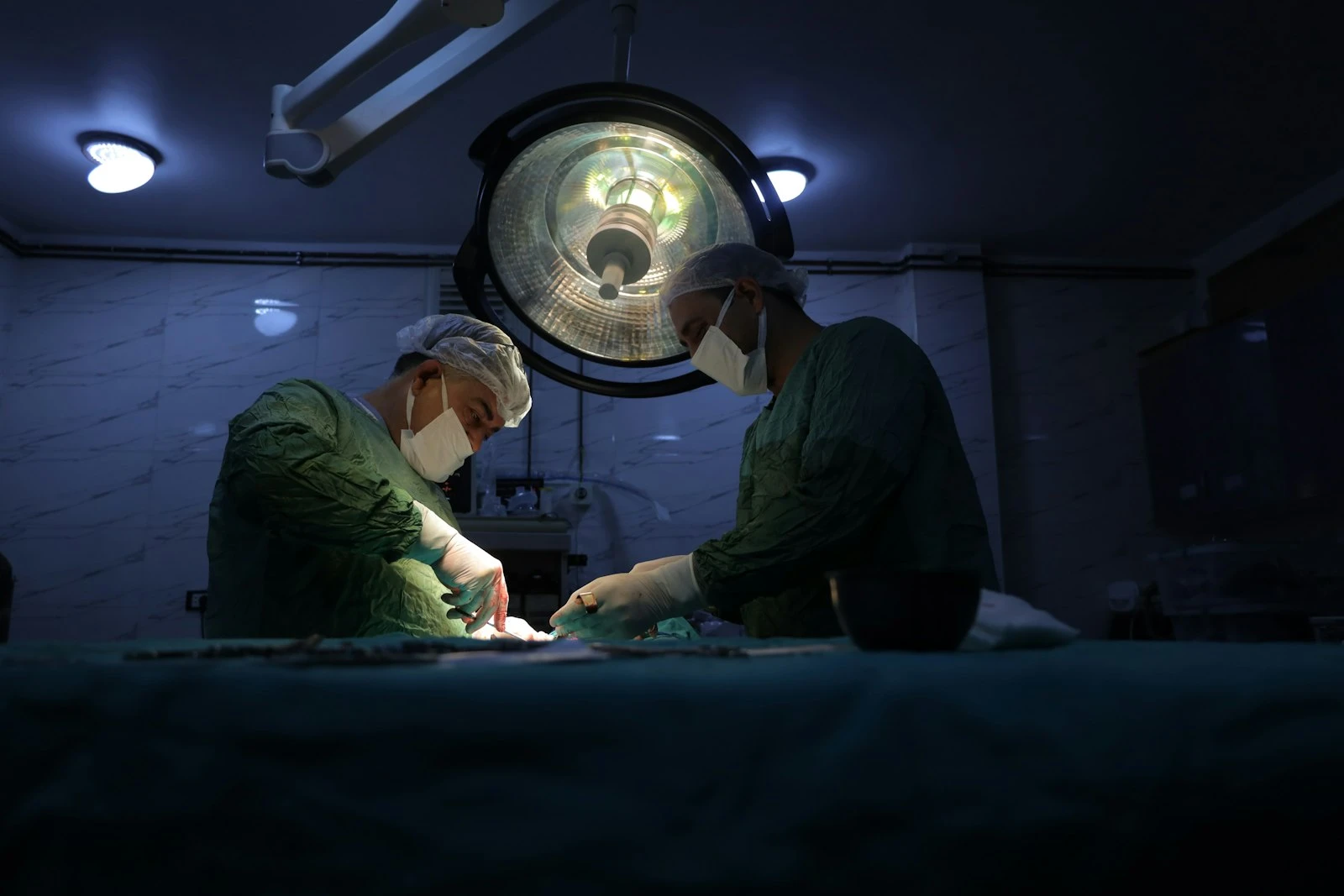
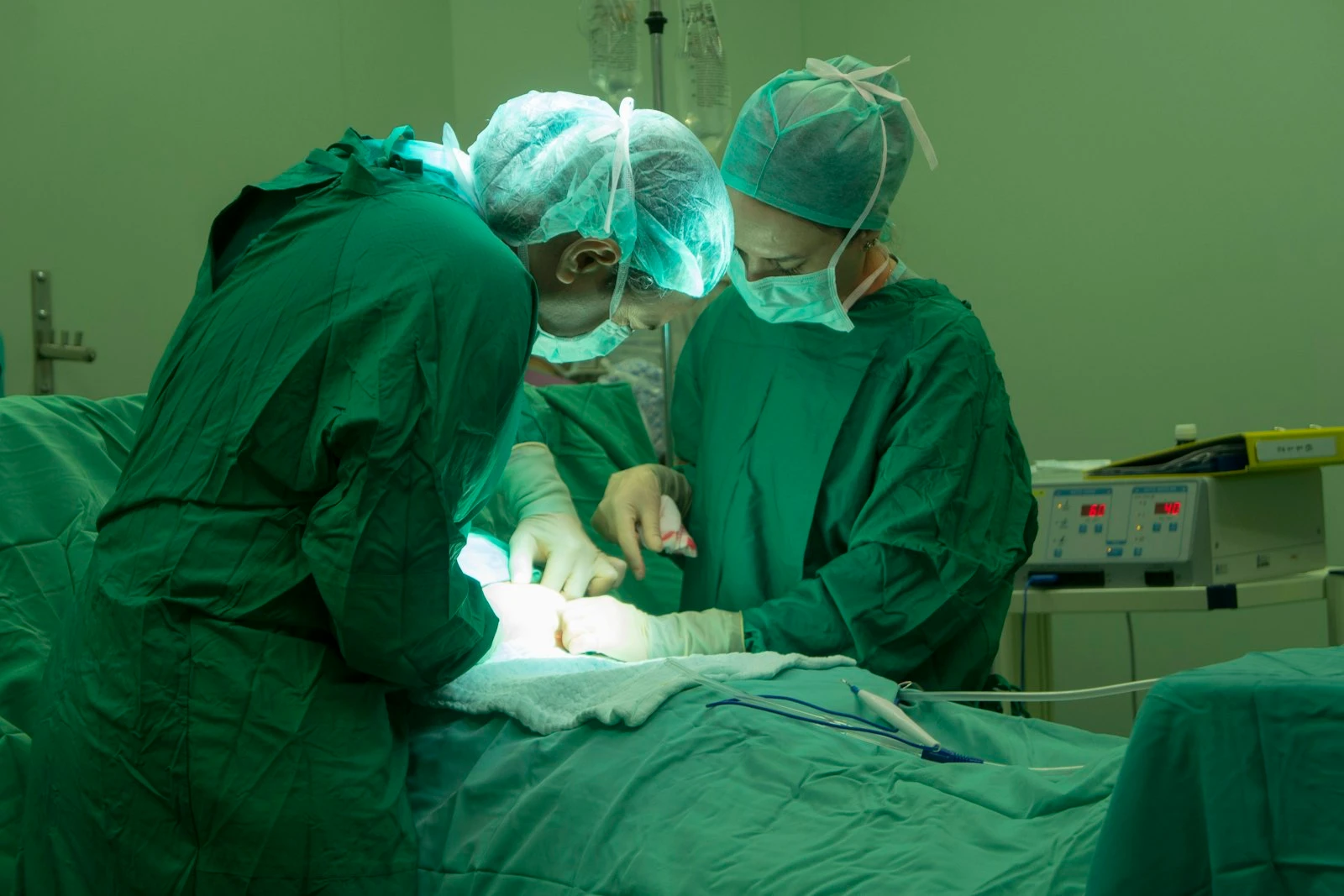
The surgery is performed under general anaesthesia with continuous monitoring. The surgeon makes an abdominal incision and removes the pus-filled uterus and both ovaries with great care, avoiding rupture of the uterus, which would cause peritonitis. The operation usually takes 60-120 minutes. Throughout the procedure, the anaesthetist monitors blood pressure, heart rate, oxygenation, and temperature.
After the procedure
The patient stays hospitalised for 1-3 days, depending on the severity of the case, for fluids, antibiotics, and intravenous painkillers. We carefully monitor kidney and liver function, appetite, and mobility. At home, we recommend strict rest for 10-14 days, an Elizabethan collar to protect the wound, light meals, short on-leash walks (or restricted space for cats), and oral antibiotics according to schedule. Stitches are removed at 10-14 days.
Risks and considerations
Pyometra is a serious illness, and surgery is an emergency. Risks rise significantly in cases brought in late:
- Septic shock or peritonitis if the uterus ruptures before or during surgery.
- Acute kidney failure, often reversible with aggressive fluid therapy.
- Higher anaesthetic risk in unstable patients.
- Bleeding during or after surgery, continuously monitored.
- Wound infection or dehiscence, prevented with antibiotics and careful care.
With prompt intervention, the success rate is very good. The best treatment, however, is prevention: spaying females that are not intended for breeding practically eliminates the risk of pyometra.
Frequently asked questions
- Is there a non-surgical treatment? In very selected cases, in young females with open pyometra intended for breeding, medical treatment (aglepristone + antibiotics) can be tried. The recurrence rate is high, and medical treatment is not a safe option in closed pyometra or in unstable patients. For most cases, surgery is the standard.
- How much does treatment cost at Vetero? The fee for emergency ovariohysterectomy is 750-1450 lei, depending on size, case complexity, and length of stay.
- How long does she stay hospitalised after surgery? Usually 1-3 days, until she eats well, is stable, and her blood tests normalise.
- How can I prevent pyometra? Spaying females not intended for breeding, ideally before the first heat or in the first years of life, almost completely eliminates the risk.