What is an otoscopic examination?
An otoscopic examination is a detailed evaluation of the external ear canal and the eardrum, carried out using an instrument called an otoscope. It has a light source and a lens system that allow the veterinarian to look deep into the ear, all the way to the tympanic membrane.
At Vetero we use modern otoscopes with specula of different sizes, adapted to each patient — from small cats to large-breed dogs. The procedure is painless and usually takes only a few minutes, and it is an essential step in diagnosing ear disorders.
When is it needed?
The veterinarian recommends an otoscopic examination when you notice signs in your pet that suggest an ear problem:
- Frequent ear scratching or persistent head shaking.
- Unpleasant smell coming from the ear canal.
- Discharge that is brown, yellowish, or blood-tinged.
- Redness, swelling, or crusts at the base of the ear.
- Head tilt to one side or loss of balance.
- Sensitivity to touch around the ears.
The examination is also recommended for breeds prone to ear infections (Cocker Spaniel, Labrador, French Bulldog), and as part of the annual routine check-up.
What to expect
Before the procedure
No special preparation is needed. Please do not clean your pet's ears on the day of the appointment, so the veterinarian can properly assess the appearance of the discharge and the skin. Bring with you information about the symptoms you have observed and any previous treatments.
During the procedure
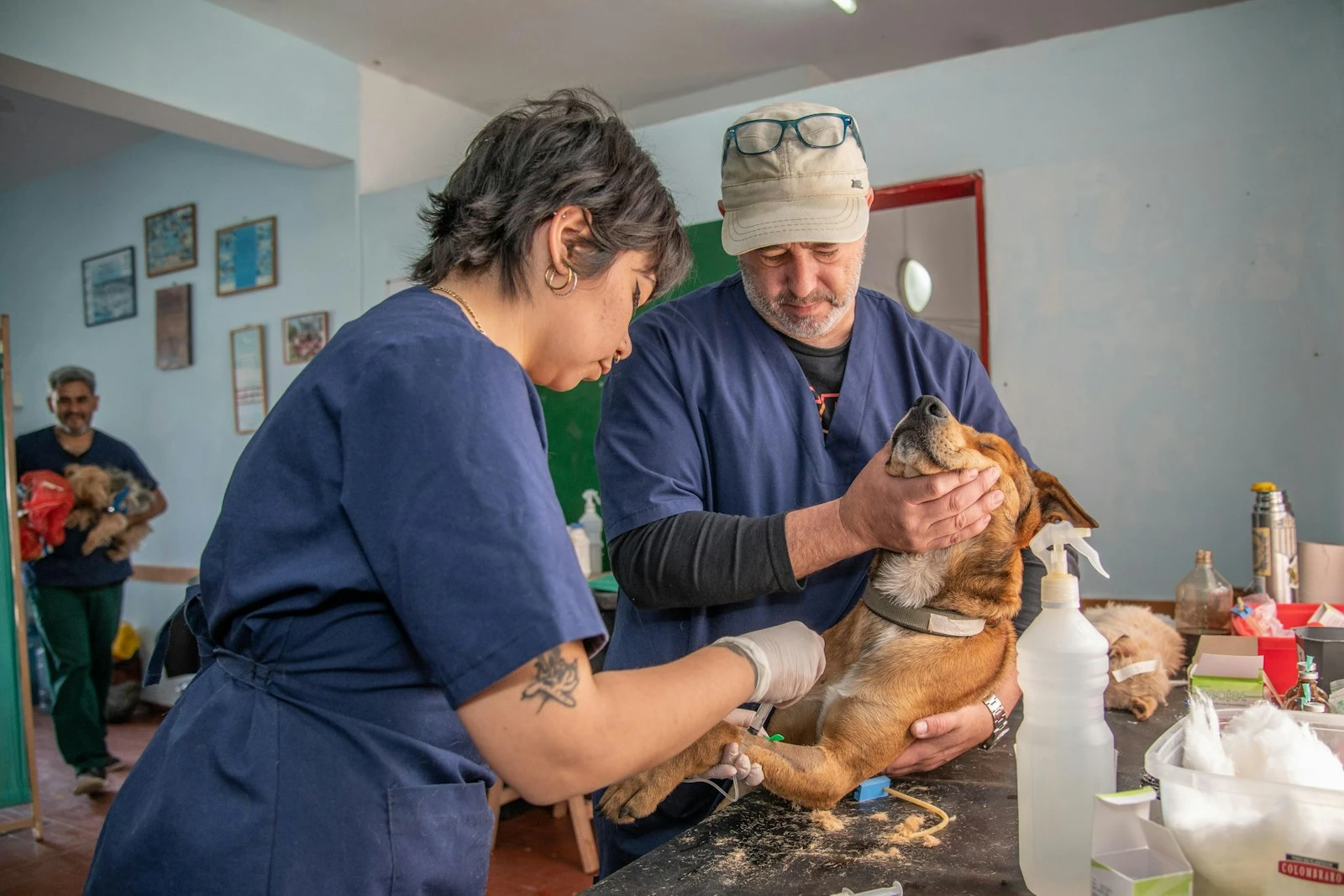
Your pet is settled comfortably on the consultation table, and an assistant gently supports them to keep them still. The veterinarian carefully inserts the otoscope speculum into the ear canal and examines, in turn, the pinna, the vertical canal, the horizontal canal, and the eardrum. In very sensitive patients or those in severe pain, the examination can be done under light sedation, so that it is thorough and comfortable.
After the procedure
Based on what was observed, the veterinarian will explain the diagnosis and the next steps. The otoscopic examination is often complemented by a cytological examination of the ear discharge, to identify bacteria, yeasts, or parasites such as Otodectes mites. Depending on the cause, treatment may be topical, systemic, or involve a deep ear cleaning.
Risks and considerations
The otoscopic examination is a safe procedure, but there are a few things to keep in mind:
- Temporary discomfort in animals with painful ear infections — which is why sedation is sometimes needed.
- Incomplete evaluation when the canal is blocked by heavy discharge; in this case, an ear flush is recommended.
- A ruptured eardrum may not always be visible on the first visit if inflammation is severe.
Early detection of ear infections prevents serious complications such as middle or inner ear infections, which can affect the animal's balance and hearing.
Frequently asked questions
- How long does the examination take? Usually 5–10 minutes, if the animal cooperates.
- Is it painful? Not unless the ear is already inflamed. In those cases, we provide pain relief or light sedation.
- How often should it be done? Once a year in healthy animals, more often in those with recurrent ear infections or allergies.
- Can I clean the ears at home? Yes, with solutions recommended by the veterinarian, but avoid cotton swabs, which can push debris deeper inside.