What is a mastectomy?
A mastectomy is a surgical procedure in which mammary tissue affected by tumors is removed. In female dogs, the mammary glands run along the abdomen in two parallel chains, usually made up of five pairs each. Depending on the number and location of the lumps, a mastectomy may be partial (a single gland), regional (several neighbouring glands) or total (the whole mammary chain, on one or both sides).
At Vetero, the procedure is performed under general anaesthesia, with close monitoring of all vital signs. The tissue we remove is always sent for histopathology, so we can tell whether the tumor is benign or malignant and guide any further treatment.
When is it needed?
The veterinarian recommends a mastectomy in several situations, including:
- Palpable lumps in the mammary glands, regardless of size.
- Fast-growing tumors, ulcerated or with an inflamed appearance.
- Recurrences after a previous surgery.
- Suspicion of malignancy confirmed by ultrasound, cytology or biopsy.
In unspayed dogs, the risk of mammary tumors is significantly higher. Roughly half of canine mammary tumors are malignant, which is why time matters: the earlier we operate, the better the outlook.
What to expect
Before the procedure
Before surgery, we run a full consultation, blood work, a chest X-ray to check for lung metastases, and, when indicated, an abdominal ultrasound. Your dog should not eat for 12 hours before the procedure, although water is allowed up to 2 hours before. We will explain in plain language what the procedure involves, the risks and the recovery.
During the procedure
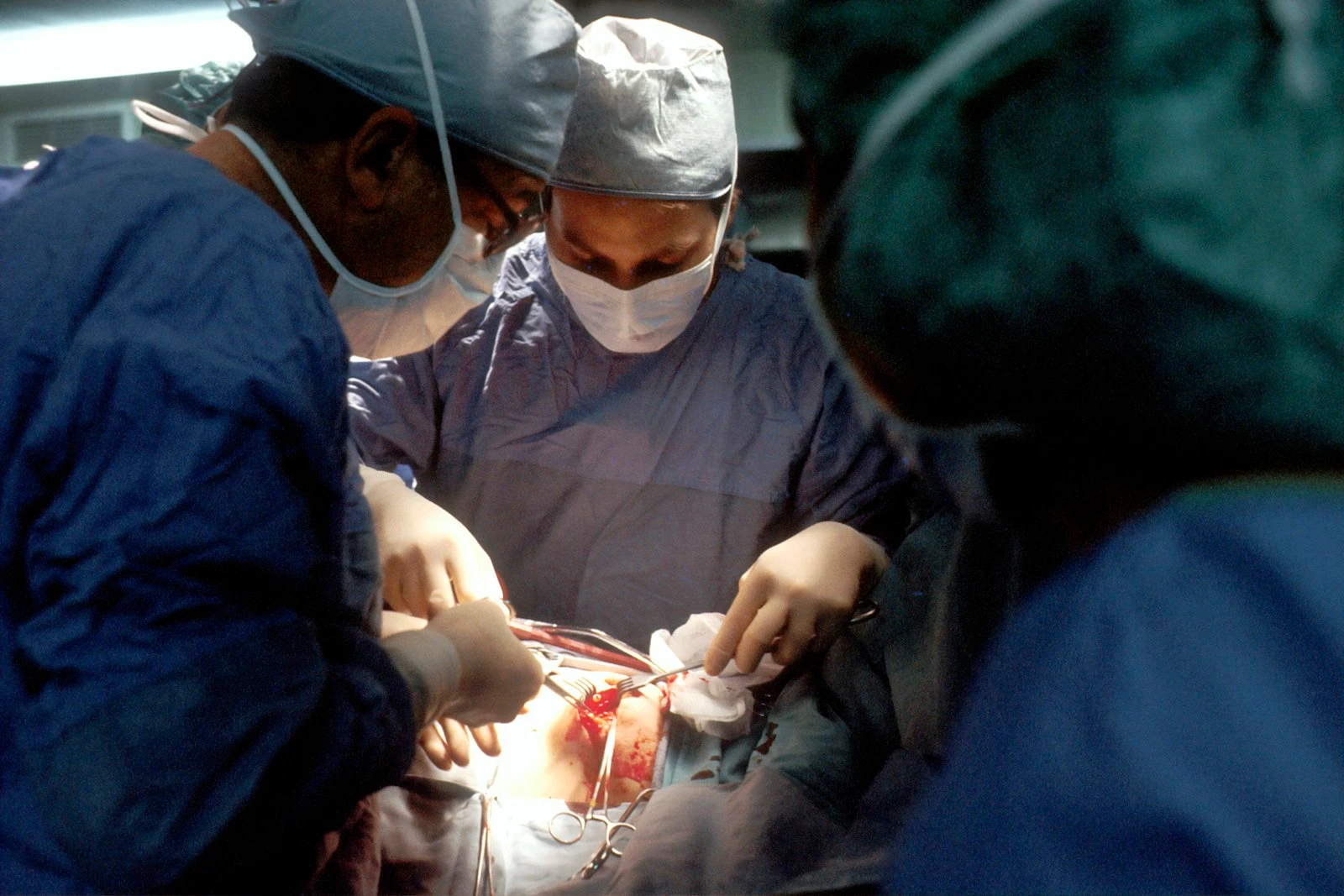
Your dog is anaesthetised and continuously monitored by our team. The surgical area is prepared sterilely, and the veterinarian then removes the affected mammary tissue, along with the local lymph nodes when indicated. The incision is closed in several layers, for solid and aesthetic healing. The operation lasts between 60 and 180 minutes, depending on its extent.
After the procedure
Once awake from anaesthesia, your dog stays under observation until she is fully stable. At home, she will wear an Elizabethan collar or a surgical bodysuit to keep her from licking the suture. We will prescribe pain relief and, if needed, antibiotics. Walks will be short and on the lead for 10-14 days, and the stitches are removed after about two weeks. The histopathology report arrives in 7-14 days and will guide the conversation about any further treatment.
Risks and considerations
A mastectomy is a well-tolerated procedure, but, like any surgery, it carries risks we discuss openly with you:
- Anaesthesia reactions, minimised by careful preoperative assessment.
- Bleeding or seromas at the wound, usually transient.
- Wound infections, rare when our recommendations are followed.
- Local recurrence or metastases, especially with malignant tumors found late.
A concurrent spay can be discussed for unspayed dogs, to reduce the risk of hormone-dependent recurrences.
Frequently asked questions
- How long does she stay hospitalised? Usually one day; sometimes she goes home the same evening if she is stable.
- Will she walk normally after the surgery? Yes, mobility returns within a few days; in the first 24-48 hours she may be quieter than usual.
- Is the scar visible? The scar is linear, follows the belly line and, once healed, is discreet, especially under the coat.
- Does treatment continue after surgery? It depends on the histopathology; sometimes regular check-ups are enough, sometimes gentle chemotherapy is recommended.