What is limb amputation?
Amputation is a surgical procedure in which the veterinarian completely removes an affected limb — a front or hind leg — when it can no longer be saved or when keeping it endangers the animal's health and comfort. The decision is never easy, but it is always made to give your companion a life free of pain.
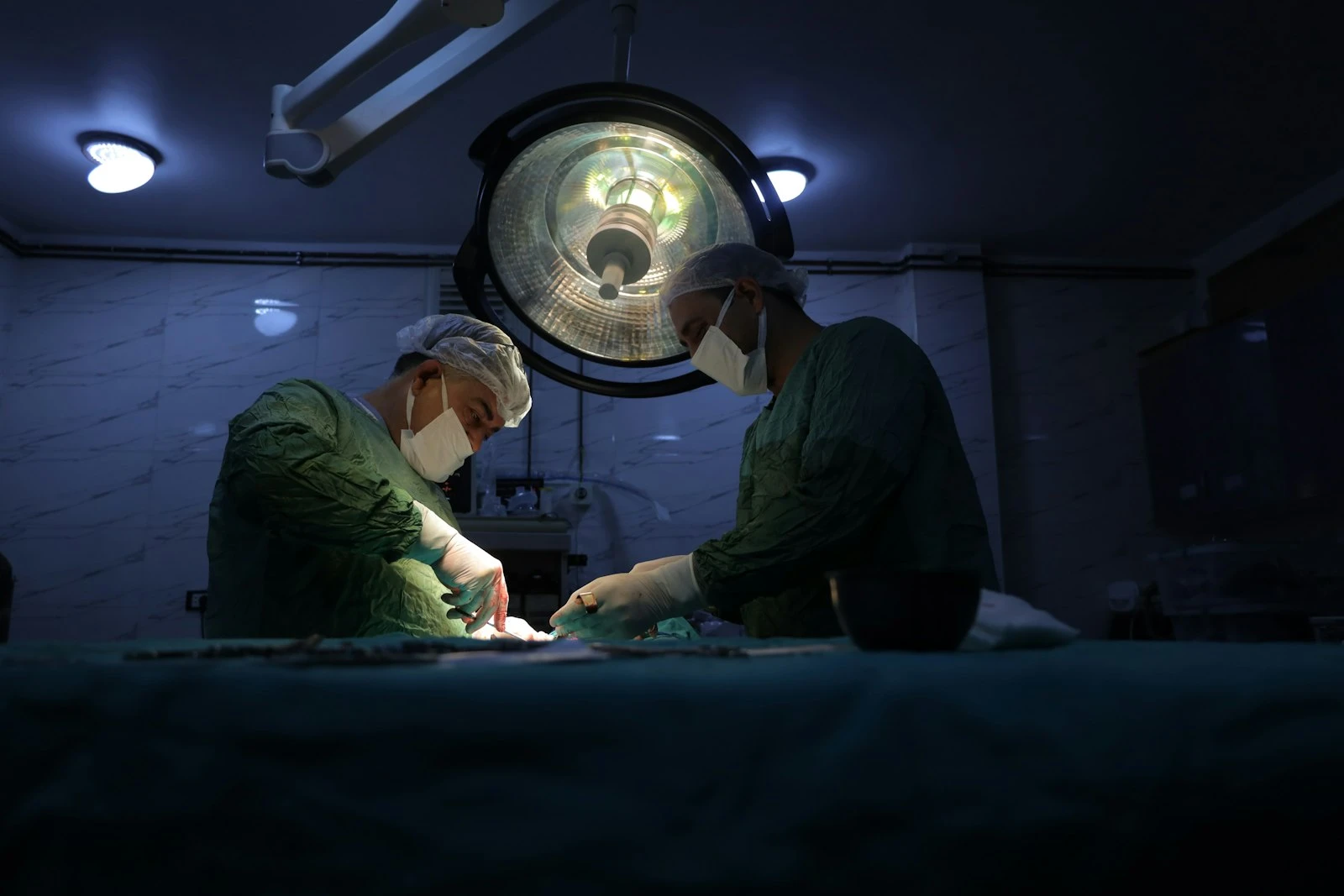
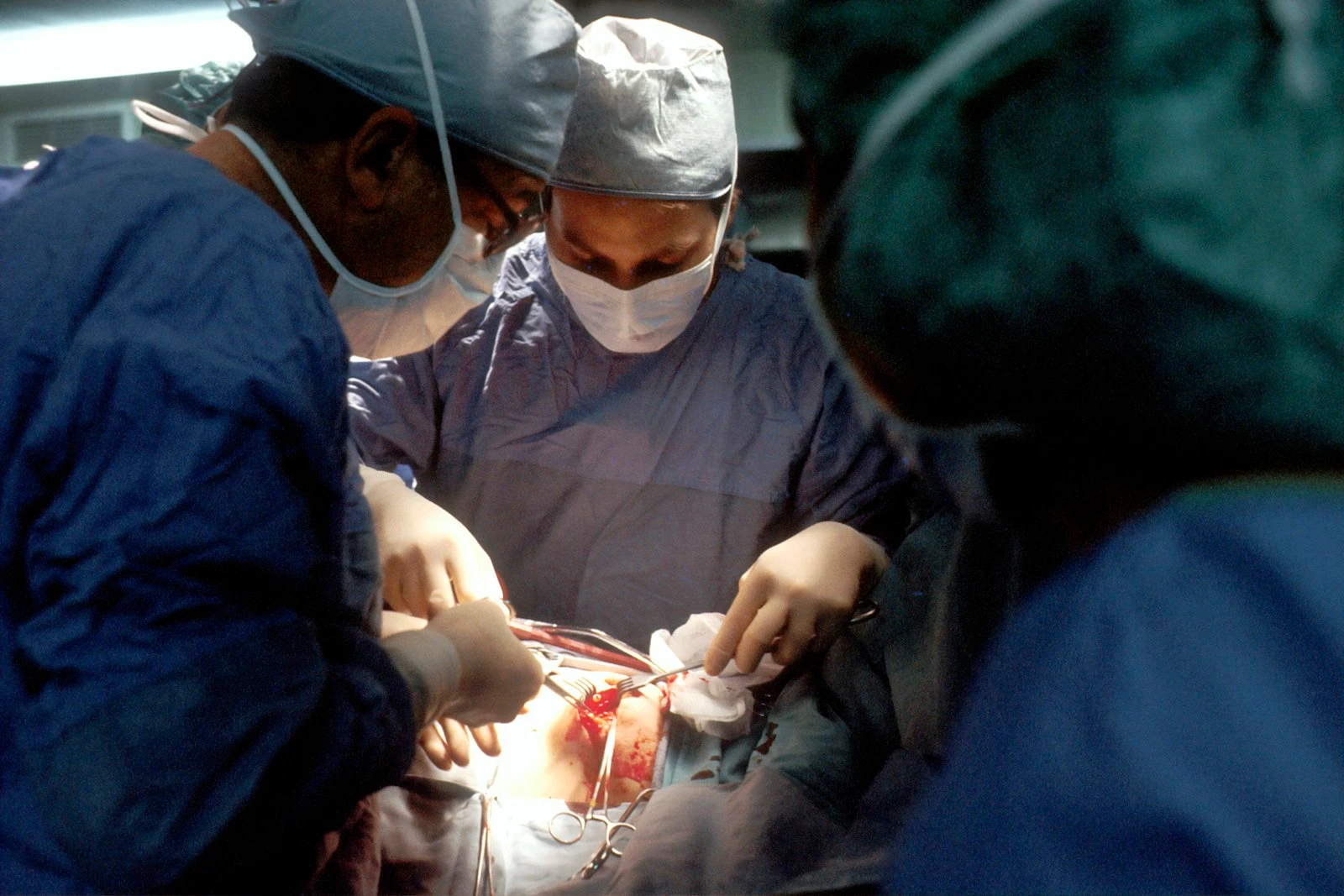
At Vetero, the procedure is performed under general anaesthesia with complete monitoring of vital functions. Depending on where the problem is, amputation can be carried out at hip level (disarticulation), at the shoulder or lower down on the limb. Our team chooses the right technique for each case, aiming for the smoothest recovery and the least possible discomfort.
When is it necessary?
The veterinarian may recommend amputation in a limited number of situations, when other options are no longer reasonable:
- Bone tumours (for example osteosarcoma), where removing the limb stops severe pain and prevents local spread.
- Severe trauma following road accidents, falls or bite wounds, with shattered fractures or irreversible nerve damage.
- Chronic bone infections that do not respond to repeated medical and surgical treatment.
- Permanent limb paralysis, when the animal injures the leg without feeling it.
- Severe congenital malformations that cause pain and prevent normal movement.
We will always discuss all the alternatives before recommending amputation, and the final decision is yours, once you have all the information.
What to expect
Before the procedure
Before surgery we run blood tests, X-rays and, if needed, ultrasound or CT to assess overall health and rule out the spread of disease. The animal must fast for 8-12 hours beforehand. We will go through the anaesthesia, the approximate length of the hospital stay, and all the associated costs, including post-operative treatment.
During the procedure
The operation usually lasts between 60 and 120 minutes. The animal is under deep general anaesthesia, fully unconscious and pain-free. The team continuously monitors heart rate, breathing, blood pressure and temperature. Blood vessels are carefully tied off, and tissues are sutured in layers so that the wound heals properly.
After the procedure
In the first 24-48 hours the animal stays under observation with strong pain relief and intravenous fluids. He or she goes home with an Elizabethan collar, oral pain medication and antibiotics. Stitches are usually removed after 10-14 days. Most dogs and cats start putting weight on three legs within 24-72 hours of surgery and fully recover the ability to walk, run and play within 4-6 weeks.
Risks and considerations
As with any major surgery, amputation carries certain risks worth knowing about:
- Anaesthetic risks, minimised by preoperative blood work and continuous monitoring.
- Bleeding or haematoma at the wound, rare when the technique is correct.
- Wound infection, prevented with antibiotics and careful home care.
- Slow adaptation in very elderly, obese or arthritic animals — we recommend physiotherapy and weight control.
Most animals adjust surprisingly quickly. Within a few weeks they do the same things as before: running, jumping, climbing on the sofa, playing. Quality of life is, on the whole, far better after surgery than during the illness or pain that preceded it.
Frequently asked questions
- Can my dog live a normal life on three legs? Yes, in most cases. Animals adapt remarkably well; after the first few weeks, many owners forget they have a "tripod" companion.
- How much does the procedure cost? Between 1100-1500 lei, depending on the animal's size, the location of the amputation and case complexity. The price includes anaesthesia, surgery and the first day of hospitalisation.
- How long does recovery take? Weight-bearing on three legs in 1-3 days, wound healed in 14 days, full recovery in 4-6 weeks.
- Should I do physiotherapy? Recommended especially for large, older or arthritic animals. It helps build muscle and supports a smoother adaptation.