What is injectable general anesthesia?
Injectable general anesthesia is a medical procedure in which the animal enters a state of deep sleep and complete loss of consciousness with the help of medications given by injection. Unlike inhalation anesthesia, which uses special gases delivered through a mask or tube, injectable anesthesia is induced and maintained exclusively with medications given intramuscularly or intravenously.
At Vetero, we choose the anesthetic protocol based on the type of intervention, its duration, and the patient's age, weight, breed, and health status. The drug combination is tailored to provide the best balance between efficacy, safety, and post-anesthetic comfort.
When is it needed?
Your veterinarian may recommend injectable general anesthesia in several situations, including:
- Short to medium surgical procedures - spays, neuters, small tumor removals, deep wound suturing.
- Dental procedures that require full scaling and extractions.
- Advanced imaging investigations, such as MRI, CT, or endoscopy.
- Deep sample collection, such as biopsies or fine-needle aspirations in sensitive areas.
- Painful handling that cannot be managed with sedation and local anesthesia alone.
What to expect
Before the procedure
Before injectable general anesthesia, your pet must fast for 8 to 12 hours. Water is usually allowed until 2 hours before. The veterinarian performs a complete clinical examination and, depending on age and health, recommends blood tests, an ECG, or other investigations to assess anesthetic risk. We will explain the chosen protocol and ask for your informed consent.
During the procedure
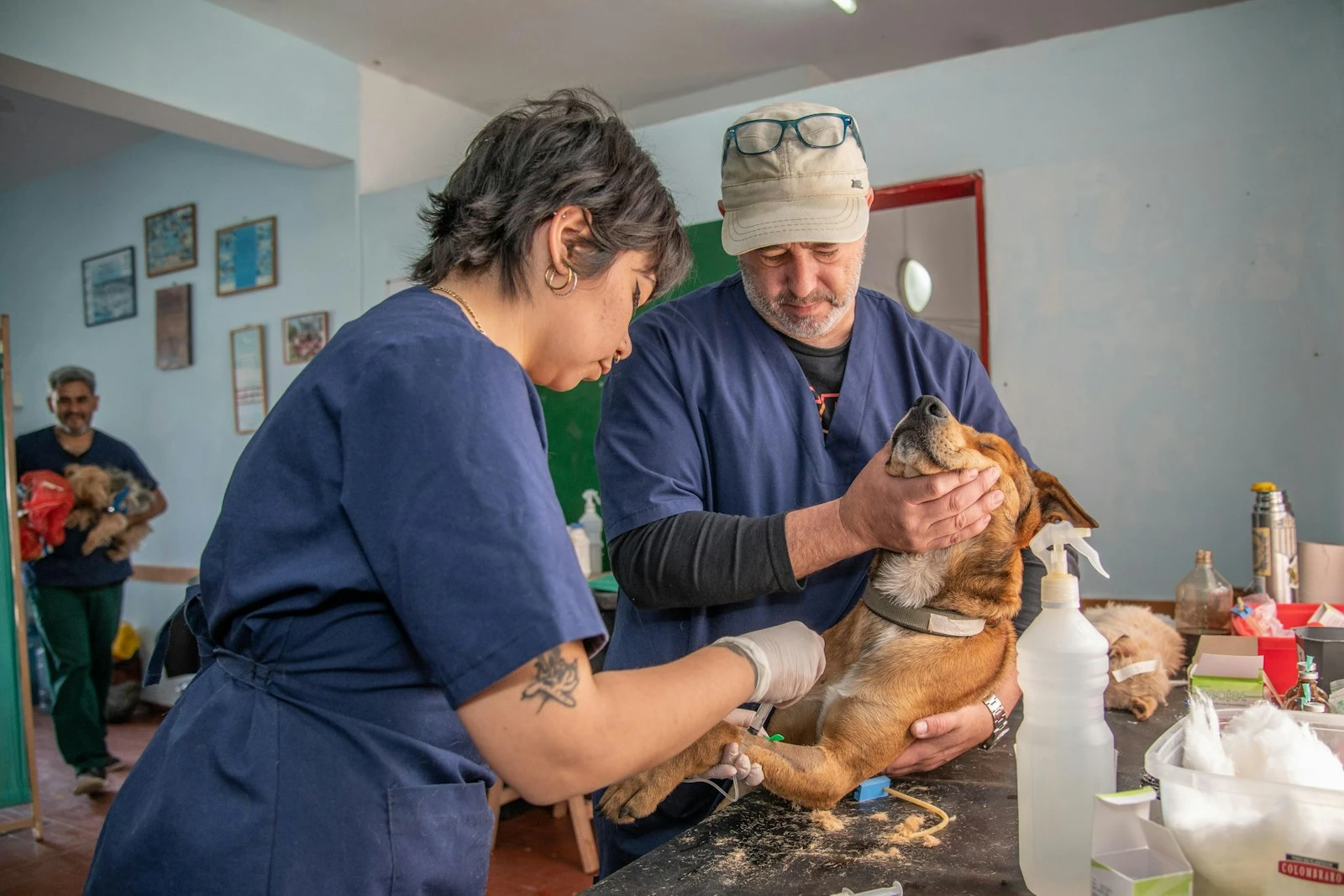
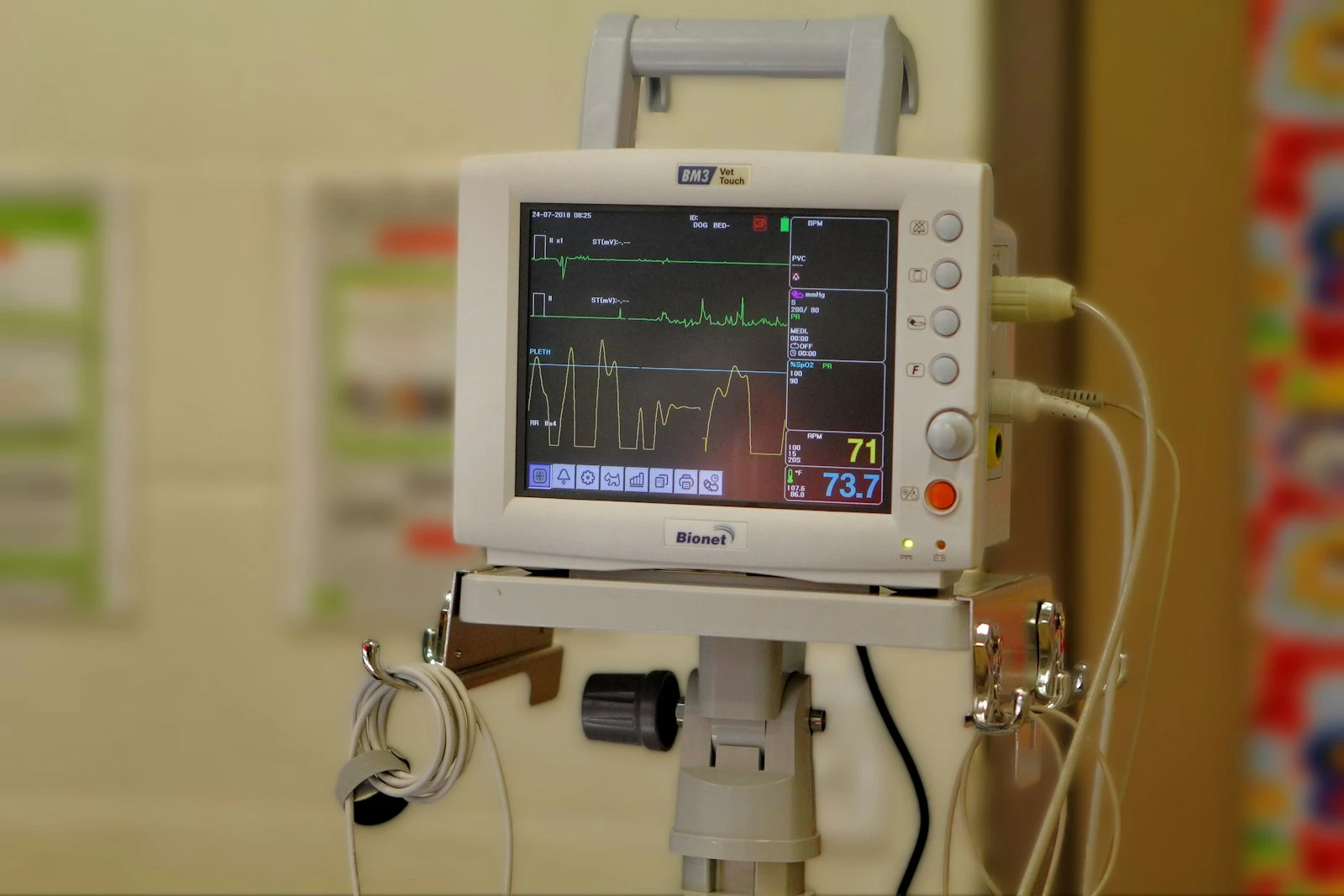
The procedure begins with premedication - injections that reduce stress, pain, and the amount of main anesthetic needed. Induction is then given by intravenous injection, and the animal enters deep sleep within minutes. Throughout anesthesia, the medical team continuously monitors breathing, pulse, blood pressure, temperature, and oxygen saturation using specialized equipment. If needed, supplemental oxygen is provided via mask. Total duration depends on the procedure, but injectable protocols suit interventions lasting up to 30 to 60 minutes.
After the procedure
Once the procedure is finished, the animal stays in the recovery area with close monitoring until they are fully awake. We explain how the intervention went, give you home-care instructions, and schedule any necessary follow-up. Your pet may be drowsy for 12 to 24 hours, with coordination returning gradually. The first meals should be small and easily digestible.
Risks and considerations
Modern general anesthesia is safe, but it carries some risks:
- Individual drug reactions, more frequent in animals with chronic illnesses or known sensitivities.
- Drop in body temperature, prevented with heat sources.
- Low blood pressure or changes in heart rhythm, controlled by monitoring and rapid intervention.
- Prolonged recovery or temporary confusion, especially in older patients.
- Increased risk in brachycephalic breeds (Bulldog, Pug, Persian), which require specific protocols and monitoring.
A thorough pre-anesthetic evaluation significantly reduces these risks. At Vetero, every general anesthesia is carried out with modern monitoring equipment and a clinician dedicated to patient safety.
Frequently asked questions
- How much does injectable general anesthesia cost at Vetero? The price ranges between 100-300 lei, depending on the animal's weight, the procedure's duration, and the chosen protocol. The anesthesia cost is added to the cost of the intervention itself.
- What is the difference between injectable and inhalation anesthesia? Injectable anesthesia is induced and maintained with medications given by injection, while inhalation anesthesia uses gases delivered through a mask or tube. The choice depends on the type and duration of the procedure.
- Is anesthesia dangerous for my pet? Risk exists, but is reduced by pre-anesthetic evaluation, choosing the right protocol, and continuous monitoring during the procedure.
- How long until they wake up fully? Generally, waking takes 30 to 90 minutes, but drowsiness and uncoordinated movements can persist for 12 to 24 hours.
- Will my pet feel pain? No, general anesthesia completely eliminates the sensation of pain during the intervention. For the post-anesthetic period, we provide analgesics matched to the procedure.