What is an inguinal hernia?
An inguinal hernia is a condition in which a portion of the abdominal contents — fat, a loop of intestine, the bladder or a pregnant uterus — slips through a widened opening in the inguinal canal and forms a soft swelling in the groin. It can be present from birth (congenital) or develop over time, after pregnancies, heavy strain or trauma.
At Vetero, we diagnose inguinal hernia through clinical examination and ultrasound, so that we can see exactly which organ has descended and whether the hernia ring is strangulating the contents. Surgery corrects the defect, puts the organs back in place, and closes the opening with strong sutures.
When is it needed?
The veterinarian recommends surgery in several situations, including:
- A visible or palpable hernia that is growing in size or becoming painful.
- A strangulated hernia, when the contents can no longer be pushed back into the abdomen — this is an emergency.
- A congenital hernia in puppies or kittens, found at the first check-up.
- A hernia in pregnant females, scheduled once the puppies or kittens are weaned.
Signs that call for a rapid consultation are vomiting, refusal of food, pain when the area is touched, redness of the skin over the hernia or marked listlessness. A strangulated hernia can become life-threatening within hours.
What to expect
Before the procedure
Before surgery, we carry out a clinical examination, an abdominal ultrasound and a full blood panel. In females with chronic hernias, we also assess the reproductive status. The animal should not eat for 12 hours before the procedure; water is allowed up to 2 hours before. We will explain the diagnosis, the options and what the recovery looks like in plain language.
During the procedure
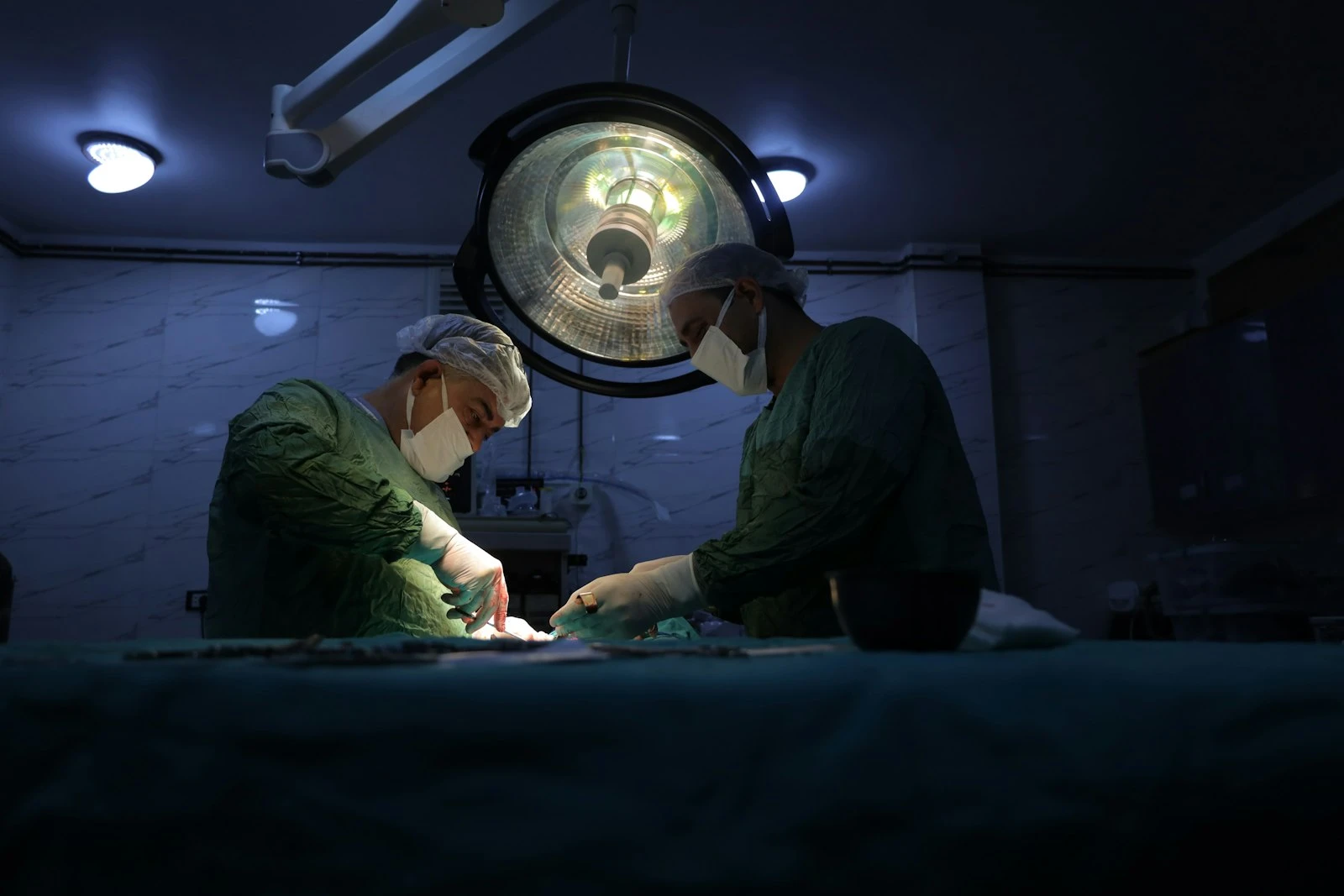
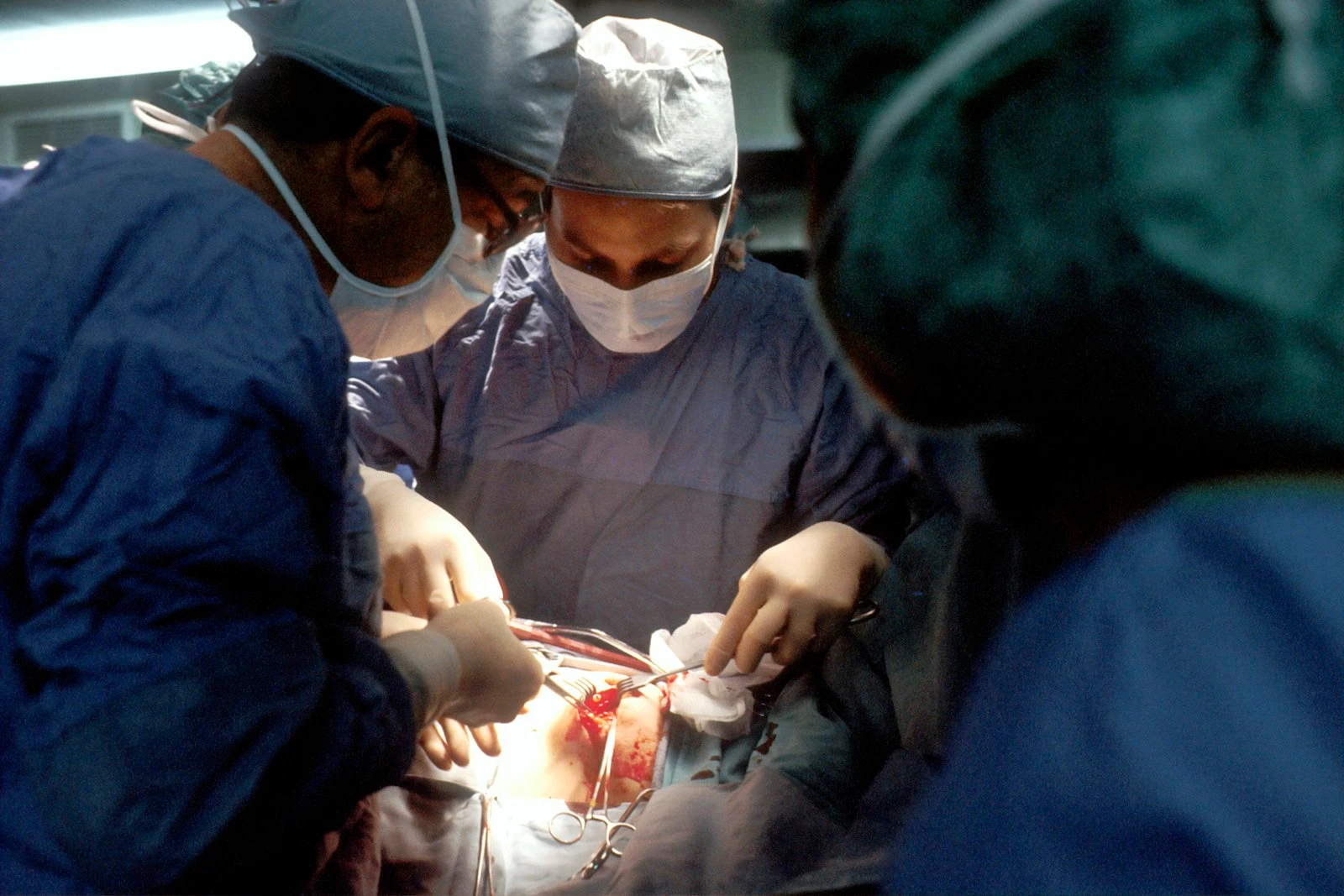
Surgery is performed under general anaesthesia, with continuous monitoring of vital signs. The veterinarian makes an incision over the hernia, gently puts the organs back into the abdomen after checking their viability, and closes the hernia opening with strong sutures. The operation lasts between 45 and 90 minutes, depending on the size of the hernia and any complications. In unspayed females, we can perform a spay during the same procedure.
After the procedure
Once awake from anaesthesia, your pet remains under observation until fully stable; most often they go home the same day. At home, they will wear an Elizabethan collar or a surgical bodysuit for 10-14 days. We will prescribe pain relief and, if needed, antibiotics. Activity should be limited to short walks on a lead, with no running or jumping. The stitches are removed after about two weeks.
Risks and considerations
Repairing an inguinal hernia is a routine procedure, but it does carry risks we discuss openly:
- Anaesthesia reactions, minimised by the preoperative assessment.
- Hernia recurrence, rare if the opening is closed correctly and the recovery is followed.
- Seromas or infections at the wound, usually easy to treat.
- Damage to the herniated organ, when strangulation lasts too long — which is why we never delay complicated cases.
In pregnant females, we decide together with you whether to maintain the pregnancy or to spay during the surgery.
Frequently asked questions
- Will the hernia heal without surgery? No; in animals, inguinal hernias do not close on their own and can grow or strangulate their contents.
- How long is the recovery? Reduced activity for 10-14 days, after which your pet returns gradually to normal activity.
- Is the surgery painful? Your pet feels no pain during the procedure, and afterwards we give effective pain relief.
- Can hernias appear again after surgery? If the recovery is followed, recurrence is very rare; a follow-up at three months is enough.