What is enucleation?
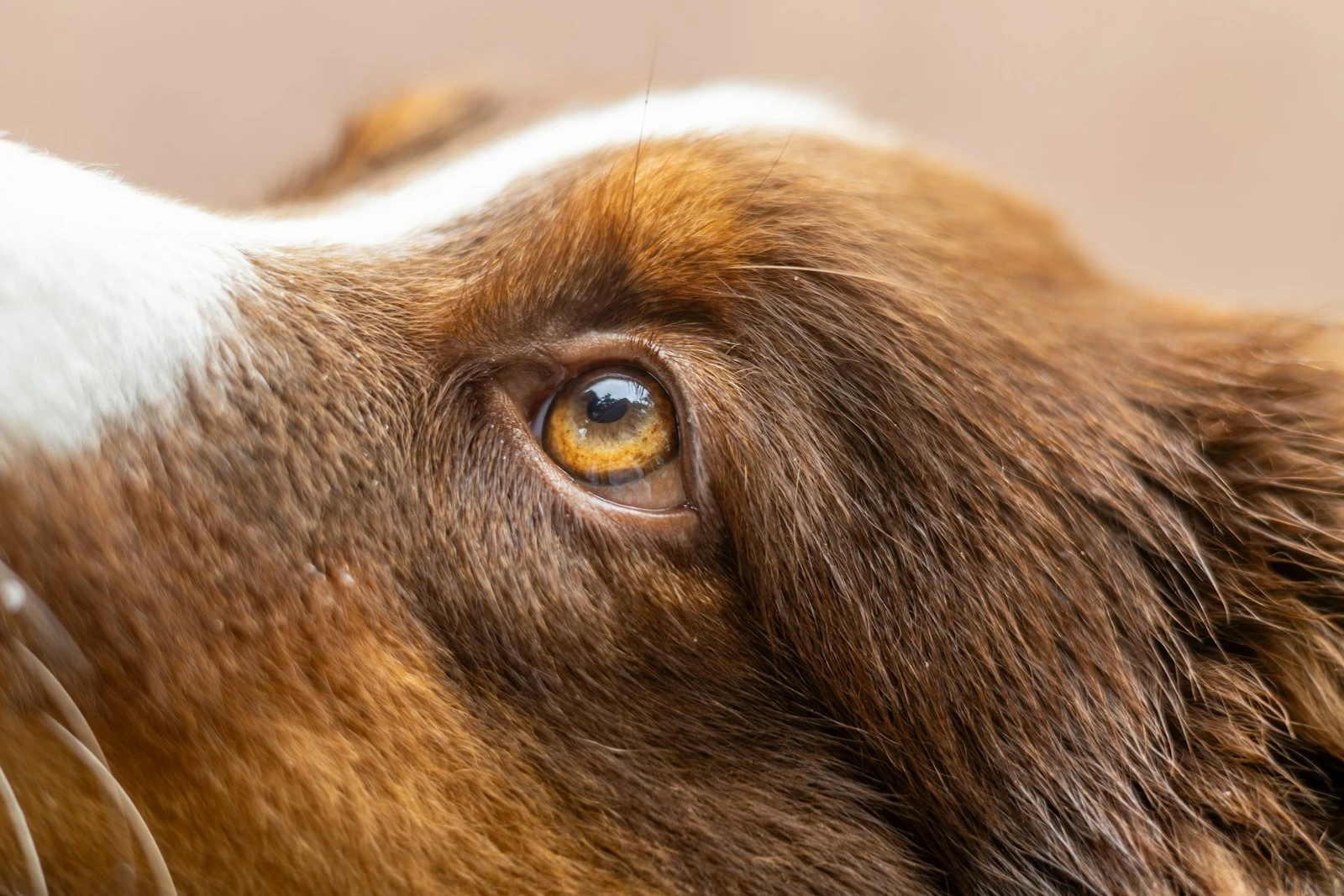
Enucleation is a surgical procedure in which the eyeball and part of the associated structures (eyelids, conjunctiva, sometimes the tear gland) are entirely removed. It is a decision made with great care, when an eye is irreversibly damaged and causes constant pain or threatens to cause systemic complications.
At Vetero we perform enucleation under general anesthesia with full monitoring, using either the transconjunctival or the transpalpebral technique, the choice depending on the underlying disease. The eyelids are sutured closed, and the area heals quickly and neatly. Your pet regains a sense of well-being within a few days, freed from pain.
When is it needed?
Enucleation is recommended in situations where vision can no longer be saved or the eye becomes a danger:
- Painful glaucoma refractory to treatment, especially in advanced stages when the eye is enlarged and very painful.
- Severe trauma with rupture of the eyeball or loss of its content.
- Eye tumors (melanoma, lymphoma, carcinoma) that cannot be partially removed.
- Deep infections (endophthalmitis, panophthalmitis) that do not respond to treatment and threaten to spread to the brain.
- Atrophic, blind eye with chronic irritation.
- Proptosis (eye pushed out of the orbit) with irreversible damage to the optic nerve and external muscles.
The decision is made together with you, after the veterinarian explains all the options. When chronic pain can no longer be controlled with medication, enucleation is the humane and correct choice.
What to expect
Before the procedure
Before surgery, we run full blood tests and a pre-anesthetic exam to check the animal's overall condition. In older animals or those with concurrent disease, we may also recommend a chest X-ray or abdominal ultrasound. Your pet must not eat for the last 8-12 hours before surgery; water is withdrawn 2 hours before. You will sign an informed consent after we explain the steps and risks.
During the procedure
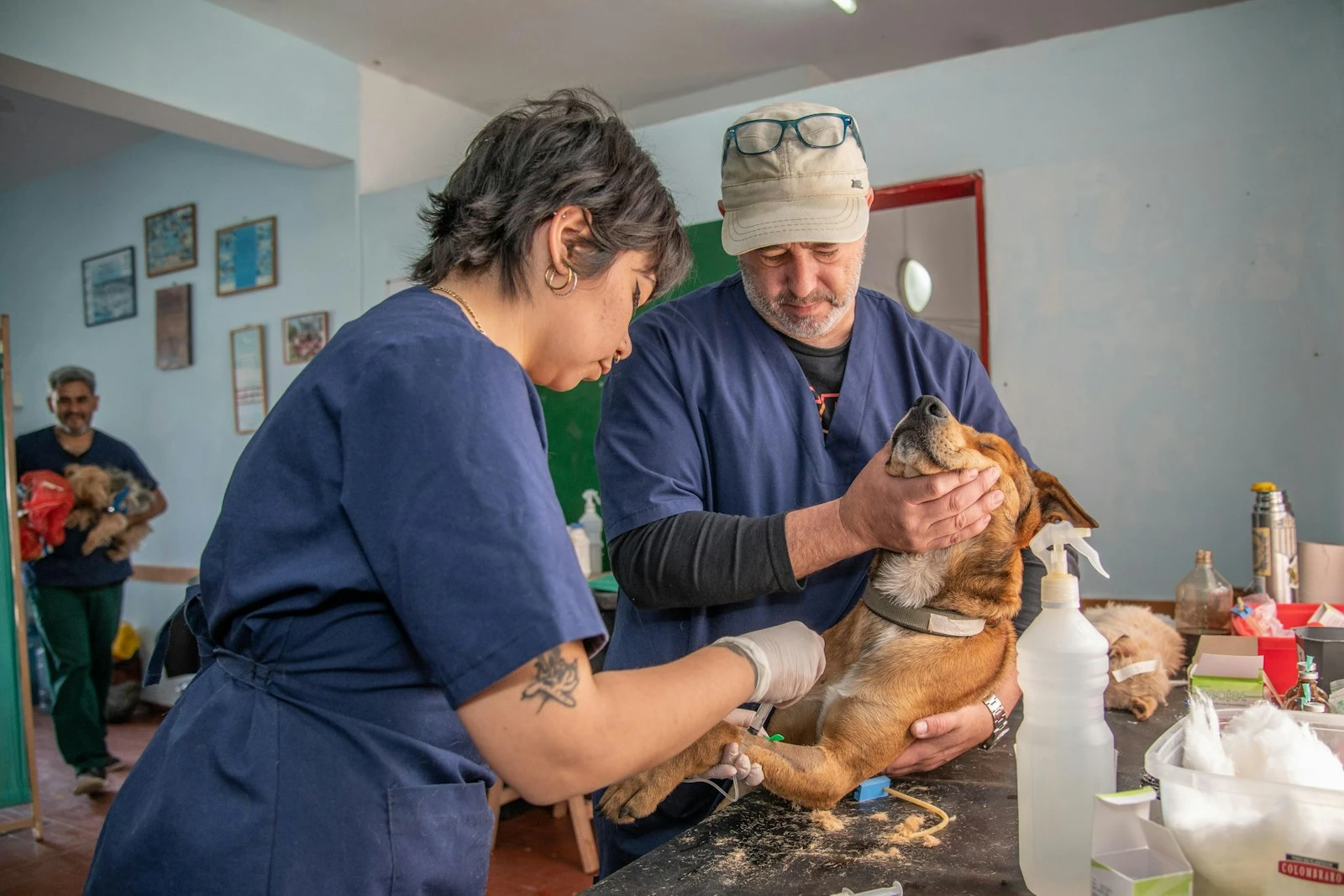
The surgery is performed under general anesthesia, with intubation and continuous monitoring (pulse, saturation, blood pressure, temperature). The area is shaved, disinfected, and the surgeon removes the eyeball and associated tissues. The orbital cavity is closed with absorbable sutures, and the eyelids are sutured permanently closed. The procedure lasts 45-90 minutes.
After the procedure
Your pet stays in the clinic for a few hours, until fully awake and stable. At home, you will give an antibiotic and an anti-inflammatory for 7-10 days, plus cold compresses in the first days to reduce swelling. An Elizabethan collar is mandatory until suture removal (10-14 days). Cosmetic healing is very good — the closed eyelids look as if your pet is sleeping on that side.
Risks and considerations
Enucleation is a well-established procedure with excellent outcomes, but it carries the risks of any surgery:
- Anesthetic risks, minimized by pre-anesthetic assessment and monitoring.
- Bleeding or local hematoma, usually controllable.
- Wound infection, prevented by antibiotic therapy.
- Suture pull or dehiscence if your pet rubs the face; this is why the collar is mandatory.
- Adaptation — most dogs and cats adjust surprisingly fast; smell and hearing compensate within a few weeks. Quality of life improves visibly once chronic pain is removed.
If the eye was removed because of a tumor, we can send the tissue to a lab for histopathology, to confirm the diagnosis and plan next steps.
Frequently asked questions
- How long does the surgery take? Between 45 and 90 minutes.
- How much does it cost? At Vetero, enucleation costs between 600-800 lei, depending on complexity and on the animal's weight.
- How long does my pet stay in the clinic? Usually a few hours; sometimes overnight, depending on general condition.
- Will my pet suffer a lot? No — paradoxically, removing a painful eye brings huge relief. Postoperative pain medication controls the discomfort of healing.
- Will my pet look different? The closed eyelids give a gentle, sleeping look. Most owners are pleasantly surprised by the cosmetic result.
- Can a prosthesis be fitted? Yes, there are intraocular prostheses (after evisceration) or external prostheses; the veterinarian will explain the options that fit your case.
- How will my pet manage with one eye? Very well. Dogs and cats adapt quickly to life with one eye and keep their quality of life.