Why vaccines matter for dogs
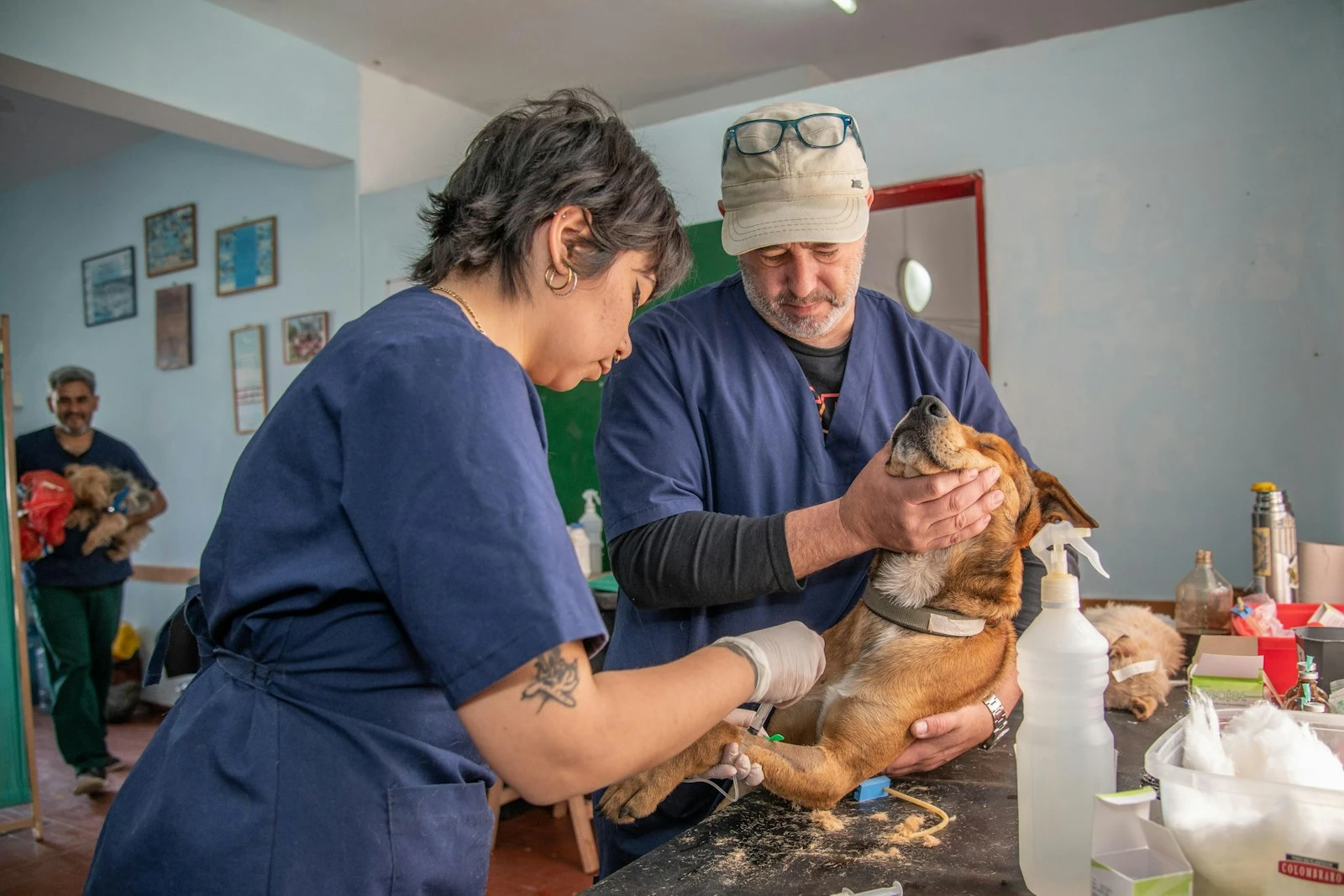
Vaccines are one of the most effective ways to prevent serious diseases in dogs. They stimulate the animal's immune system to produce antibodies against illnesses that can be fatal or cause severe suffering. By vaccinating your dog, you not only protect your own pet but also contribute to public health by helping to prevent the spread of transmissible diseases.
Essential vs optional vaccines
Core vaccines
These are mandatory for every dog and protect against the most dangerous diseases:
- Rabies – legally required in Romania
- Parvovirus – causes severe haemorrhagic diarrhoea
- Canine infectious hepatitis – affects the liver and other organs
- Parainfluenza – contributes to kennel cough
- Adenovirus – serious respiratory infection
- Leptospirosis – a bacterial disease that can also be transmitted to humans
Non-core vaccines
These are given depending on your dog's lifestyle:
- Kennel cough (Bordetella) – recommended for dogs that socialise a lot
- Lyme disease – for dogs in areas with ticks
- Canine coronavirus – in specific circumstances
Vaccination schedule for puppies
6–8 weeks
The first vaccination is usually given at 6–8 weeks of age. At this age, the puppy receives:
- The first dose of the DHPP series (Distemper, Hepatitis, Parvovirus, Parainfluenza)
- Possibly the first dose against leptospirosis
10–12 weeks
The second vaccination includes:
- The second DHPP dose
- The second leptospirosis dose
- The first dose against kennel cough (if recommended)
14–16 weeks
The third vaccination covers:
- The third DHPP dose
- The first rabies vaccination (mandatory)
- The third leptospirosis dose
- The kennel cough booster
Why multiple doses are needed
Puppies receive antibodies from their mother through her milk, but these gradually wane. Multiple vaccinations ensure that the puppy's immune system develops its own protection as maternal antibodies disappear.
Vaccination schedule for adult dogs
The first year of life
After the initial vaccine series, the puppy needs boosters at:
- 12 months for all core vaccines
- Annually for rabies (in accordance with Romanian law)
Adult dogs (over 1 year)
The vaccination programme for adults includes:
Annually:
- Rabies (legally required)
- Leptospirosis
- Kennel cough (if indicated)
Every 3 years:
- DHPP (can be given at 3-year intervals after the initial series)
- The rabies booster may be valid for 3 years in some cases
Factors that influence the vaccination schedule
Lifestyle
- Dogs that spend a lot of time outdoors need additional protection
- Animals that visit parks or boarding kennels may need optional vaccines
- Apartment dogs have a lower exposure risk
Health status
- Sick dogs should not be vaccinated
- Animals with immune problems require a special protocol
- Pregnant females have specific restrictions
Geographic area
- Some diseases are more common in certain regions
- Your local veterinarian's advice is crucial
Preparing for vaccination
Before the visit
- Make sure your puppy is healthy
- Avoid stress in the preceding days
- Keep a record of previous vaccination dates
- Prepare any questions for the vet
Vaccination day
- Keep your dog calm before the visit
- Bring the vaccination booklet
- Discuss any concerns with your vet
What to expect after vaccination
Normal reactions
- Mild drowsiness for 24–48 hours
- Local tenderness at the injection site
- A slight decrease in appetite
When to contact the vet
- Persistent vomiting
- Breathing difficulties
- Severe swelling at the injection site
- Extreme lethargy lasting more than 48 hours
The importance of sticking to the schedule
Strictly following the vaccination schedule is crucial for:
- Maintaining continuous protection
- Meeting legal requirements
- Preventing disease outbreaks
- Protecting the wider community
Conclusion
Correct and timely vaccination is one of the most important responsibilities of any dog owner. Working closely with your vet to set up the most suitable vaccination programme, tailored to your pet's specific needs, will help ensure a long and healthy life for your four-legged friend. Remember that investing in prevention is always cheaper than treating a serious illness.