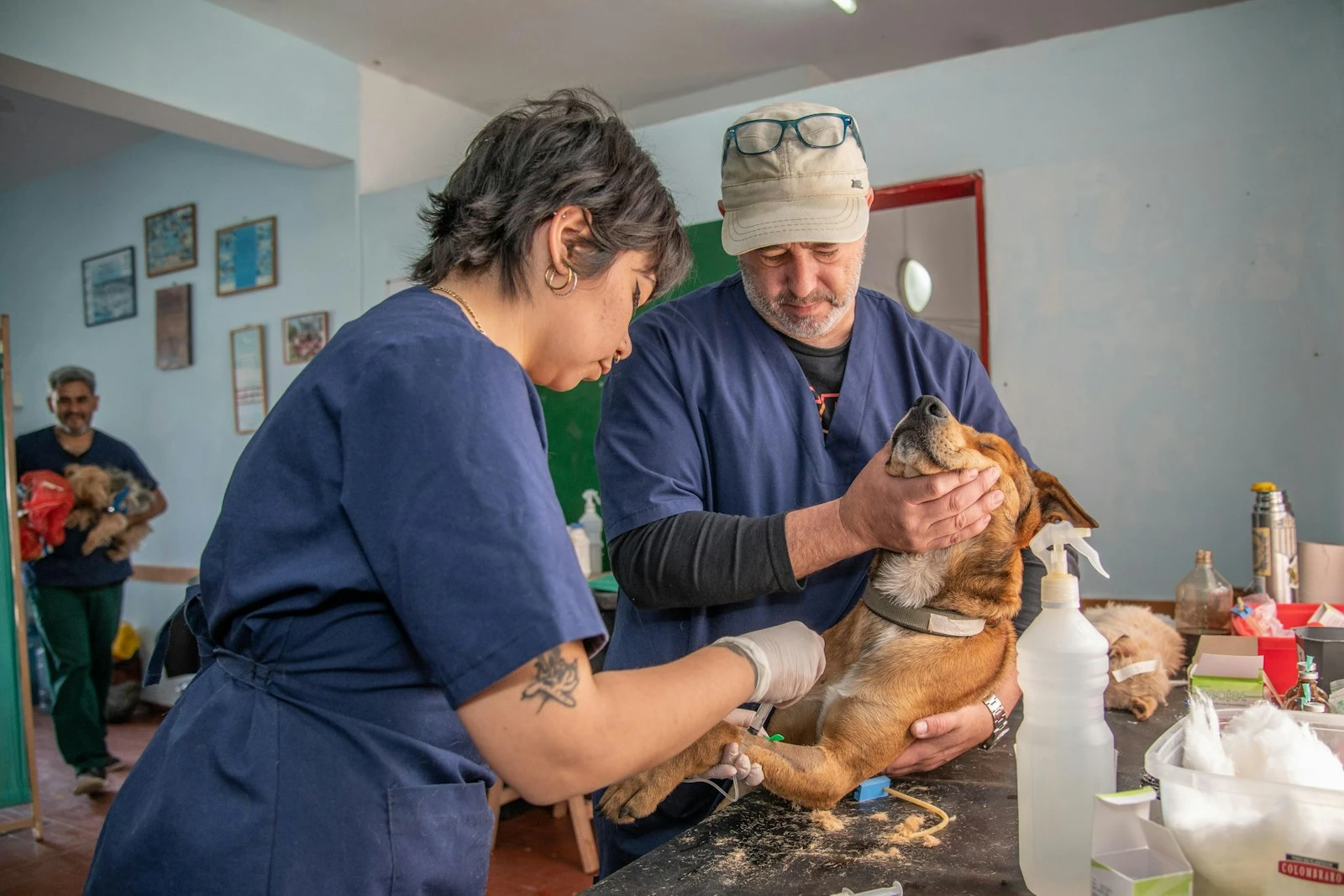
Why vaccinations are important for cats
Vaccinations are one of the most important steps in caring for your cat's health. They protect your animal against serious, sometimes fatal diseases that can be easily prevented through an appropriate immunisation programme.
Unvaccinated cats are at risk of contracting diseases such as feline panleukopenia, viral rhinotracheitis or calicivirus infection, which can have devastating consequences on their health. Even cats that stay exclusively indoors can be exposed to these pathogens through their owners or other animals.
Types of vaccines for cats
Core (essential) vaccines
These are the vaccines recommended for all cats, regardless of their lifestyle:
The trivalent vaccine (FVRCP) protects against:
- Feline panleukopenia (feline parvovirus)
- Feline viral rhinotracheitis (feline herpesvirus)
- Feline calicivirus infection
The rabies vaccine is required by law and protects against rabies, a fatal disease that can also be transmitted to humans.
Optional (non-core) vaccines
These are given depending on the cat's lifestyle and the risk of exposure:
- Feline leukaemia (FeLV): recommended for cats with outdoor access or those living with other infected cats
- Chlamydia: for cats in high-risk communities
- Bordetella: for cats attending boarding facilities or shows
Vaccination schedule for kittens
6-8 weeks
First FVRCP vaccination
- The first dose of the core vaccine series is administered
- Kittens must be healthy and weigh at least 500 grams
- It is important to have a complete veterinary consultation before vaccination
10-12 weeks
Second FVRCP vaccination
- The booster for the trivalent vaccine is administered
- If the cat will have outdoor access, the first dose of the FeLV vaccine can be given
- Testing for FIV and FeLV is recommended before leukaemia vaccination
14-16 weeks
Third FVRCP vaccination and first rabies dose
- The initial core vaccine series is completed
- First rabies vaccination (mandatory)
- If the FeLV series has begun, the second dose is administered
- The cat can be considered fully protected 1-2 weeks after this vaccination
Booster schedule for adult cats
First year
12-15 months after the last vaccination in the kitten series
- FVRCP booster
- Rabies booster
- FeLV booster (if applicable)
Adults
Annually or every 3 years (depending on the vaccine type)
- Modern FVRCP vaccines can have a 3-year duration of protection
- The rabies vaccine is given annually or every 3 years, according to local legislation
- FeLV is repeated annually for at-risk cats
Factors that influence the vaccination schedule
Lifestyle
Indoor cats: May only need essential vaccines, but zero risk does not exist Cats with outdoor access: Require full protection, including optional vaccines Cats in communities: Higher risk, personalised programme
Health status
Sick or stressed cats should not be vaccinated. Vaccination is postponed until the animal is completely healthy. Pregnant cats require a special programme; vaccination during pregnancy is usually avoided.
Medical history
Cats with previous adverse reactions to vaccines require a personalised approach and sometimes pre-medication.
Adverse reactions and when to contact the veterinarian
Normal reactions
- Mild lethargy in the first 24 hours
- Local sensitivity at the injection site
- Slight decrease in appetite
Warning signs that require urgent veterinary attention
- Significant swelling at the injection site
- Persistent vomiting or diarrhoea
- Breathing difficulties
- Collapse or fainting
- Hives or signs of allergic reaction
Practical tips for owners
Preparing for vaccination
- Schedule the vaccination when you have time to monitor the cat afterwards
- Make sure the cat is healthy on the day of vaccination
- Bring the complete medical history with you
After vaccination
- Monitor the cat for the first 24-48 hours
- Provide a calm and comfortable environment
- Avoid bathing for 24 hours
- Maintain the normal feeding schedule
Keeping records
Keep a detailed record with:
- The vaccination dates
- The type of vaccine administered
- The batch number
- Any observed reactions
- The date of the next booster
Costs and financial planning
Vaccinations represent an investment in your cat's long-term health. Although the initial cost may seem substantial, it is much lower than the cost of treating diseases that can be prevented through vaccination.
Many veterinary clinics offer vaccination packages for kittens or membership programmes that can reduce costs. Talk to your veterinarian about the available options.
Conclusion
The vaccination programme is the foundation of a long and healthy life for your cat. Working with a trusted veterinary team and following the recommended schedule will ensure optimal protection against infectious diseases.
Remember that every cat is unique and may have special needs. At the Vetero clinic in Cluj-Napoca, our team of specialists will help you develop the most suitable vaccination programme for your feline companion.