What is a complete urinalysis?
A complete urinalysis is the analysis that evaluates the physical, chemical and microscopic composition of urine. It comprises two main components: the dipstick analysis (specific gravity, pH, protein, glucose, ketones, bilirubin, urobilinogen, nitrites, leukocytes, red blood cells) and microscopic examination of the urinary sediment (casts, crystals, epithelial cells, bacteria).
It is a simple, non-invasive but extremely valuable investigation, which provides information about the kidneys, the urinary bladder, the liver and even the general metabolic balance of the body.
When is it needed?
A urinalysis is recommended when the animal shows signs that suggest a urinary problem (frequent urination, straining, blood in the urine, altered smell, accidents in the house), but also in the absence of symptoms — as part of an annual preventive evaluation, especially in older animals or in breeds predisposed to kidney disease.
It is mandatory before any surgical procedure with anaesthesia, to verify renal function, and helps in the early diagnosis of diabetes, chronic kidney disease, or silent urinary infections.
What to expect
Before
Prolonged fasting is not required. Ideally, bring a fresh urine sample, collected at home in the morning, in a clean and dry container (we can provide one at the clinic in advance). If home collection is not possible, the sample can be obtained at the clinic by the midstream method, by gentle catheterisation, or by cystocentesis (ultrasound-guided bladder puncture), depending on the case.
During
The sample is analysed in the laboratory: the dipstick is read on a reagent strip, the specific gravity is measured with a refractometer, and the sediment is examined under the microscope after centrifugation. All these steps take 20-30 minutes.
After
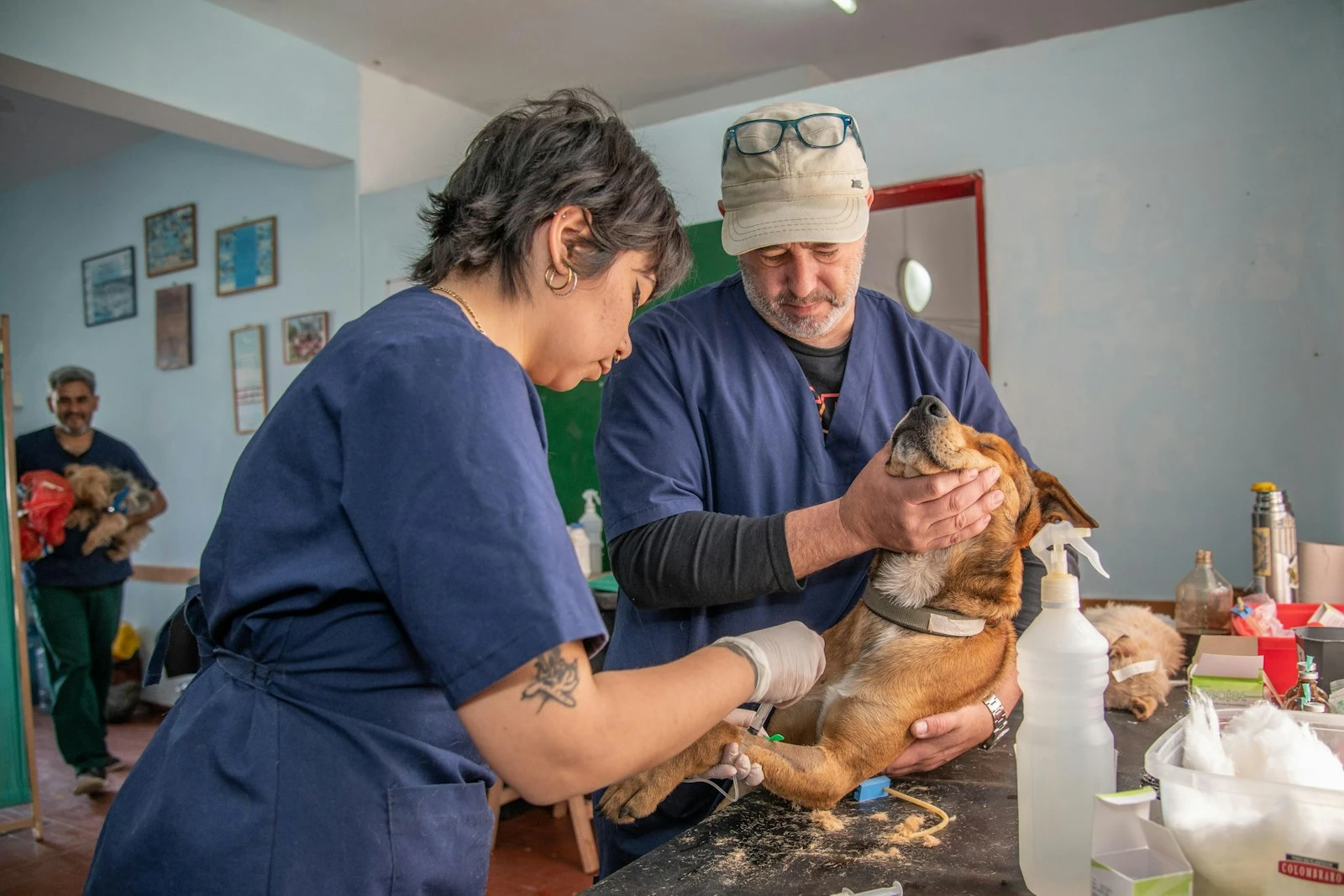
If the sample was brought from home, there is nothing to do. If collection was done by cystocentesis, the animal returns to activity immediately; the puncture is safe, ultrasound-guided, and leaves no traces. The results are discussed with you on the same day, and the veterinarian explains what each parameter means.
Risks and considerations
The test is completely safe. Collection by cystocentesis, although it may seem invasive, is a very well-tolerated procedure, safer than catheterisation in terms of sample contamination risk.
The sample is most informative when it is fresh (analysed within 1-2 hours of collection) and comes from the first urination of the day, which is the most concentrated. An old or diluted sample may give less precise results. For this reason, if you bring one from home, keep it refrigerated and bring it as quickly as possible.
Frequently asked questions
How do I collect urine at home? Use a clean, dry container. In females, place it under the flow during urination; in males, catch the midstream. There is also a special non-absorbent litter for cats.
How much is needed? A quantity of 5-10 ml is sufficient for analysis.
How long does the result take? Usually on the same day. If sent for culture (to identify the bacterium in case of infection), results come back in 3-5 days.
The price of the complete urinalysis is 100 lei, including the dipstick and sediment examination. Microbial culture, if needed, is billed separately.