What is a caesarean section in dogs?
A caesarean section is a surgical procedure in which the puppies are removed from the dog's uterus through an incision in the abdomen, when natural birth (whelping) is obstructed or dangerous. In dogs, the caesarean is a relatively common operation, especially in breeds with large puppies, large heads (brachycephalic breeds such as French Bulldog, English Bulldog, Boxer), or in dogs with very large litters.
At Vetero, the caesarean can be performed as an emergency or as a planned (elective) procedure, scheduled a day or two before term, under general anaesthesia with protocols carefully chosen to protect both mother and puppies. A complete team is ready to receive each puppy and resuscitate it immediately.
When is it needed?
Your vet will recommend a caesarean when natural birth cannot proceed safely. The most common situations are:
- Maternal dystocia (primary or secondary uterine inertia, extreme exhaustion, ineffective contractions).
- Foetal dystocia (puppies too large, malposition, malformations).
- Feto-maternal disproportion in brachycephalic breeds or those with a narrow pelvis.
- Large litter or single very large puppy (single-puppy syndrome).
- Foetal distress detected by ultrasound or heart monitoring.
- Elective scheduled caesarean in breeds with known risk (Bulldog, Boston Terrier, etc.), to avoid a nighttime emergency.
Warning signs at home: body temperature below 37 °C followed by more than 24 hours without birth; strong contractions for more than 30 minutes without a puppy being born; green-black discharge before the first puppy (a sign of placental detachment); exhausted dog, panting heavily, pale. In any of these situations, call us immediately.
What to expect
Before the procedure
On arrival at the clinic, we quickly assess the dog and puppies: clinical examination, ultrasound with measurement of foetal heart rate, possibly X-ray to count the puppies. We prepare the operating room, the puppy resuscitation team, and a warm area with oxygen. We explain what is coming and the costs (900-1350 lei, depending on size and complexity) in plain language and obtain your informed consent.
During the procedure
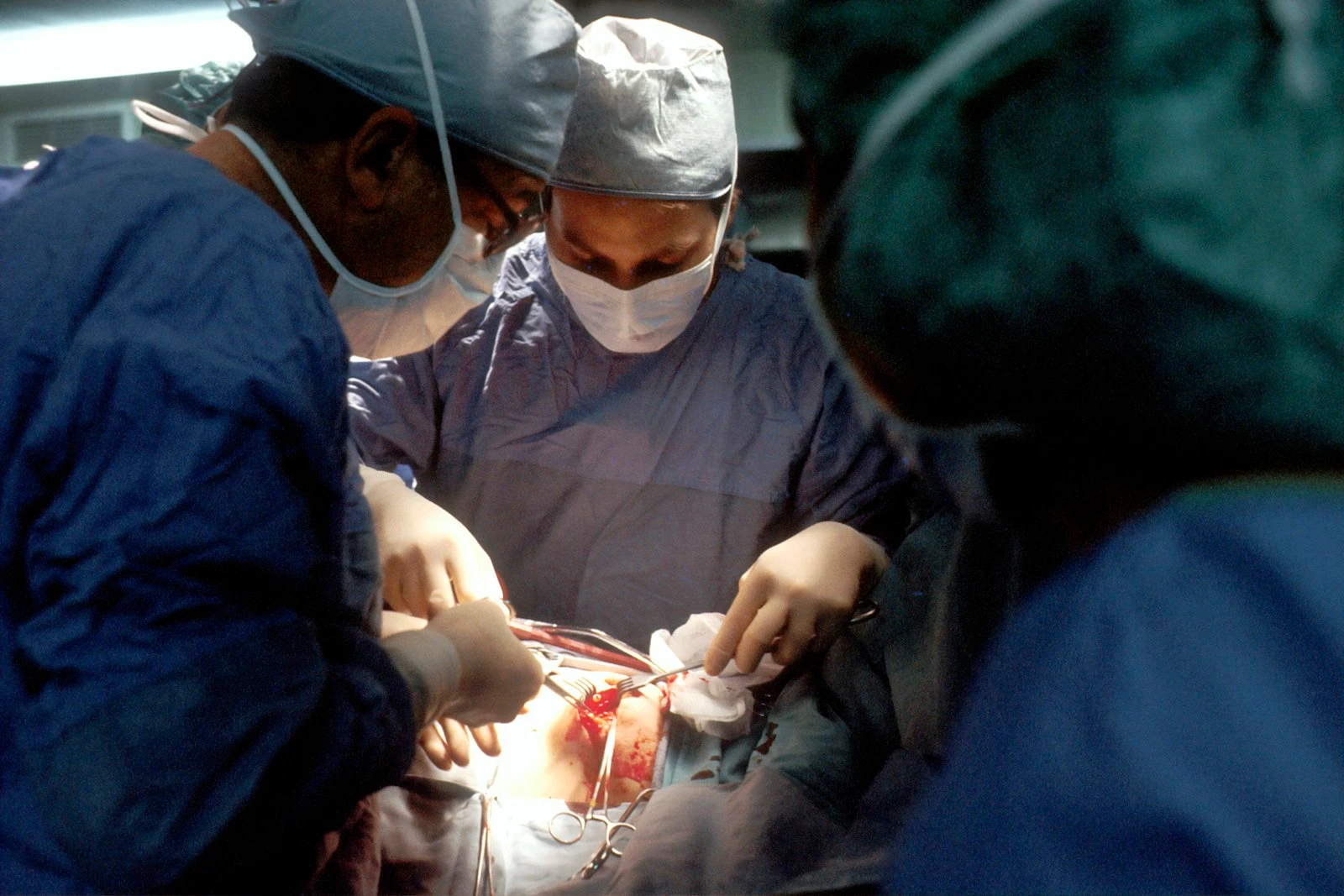
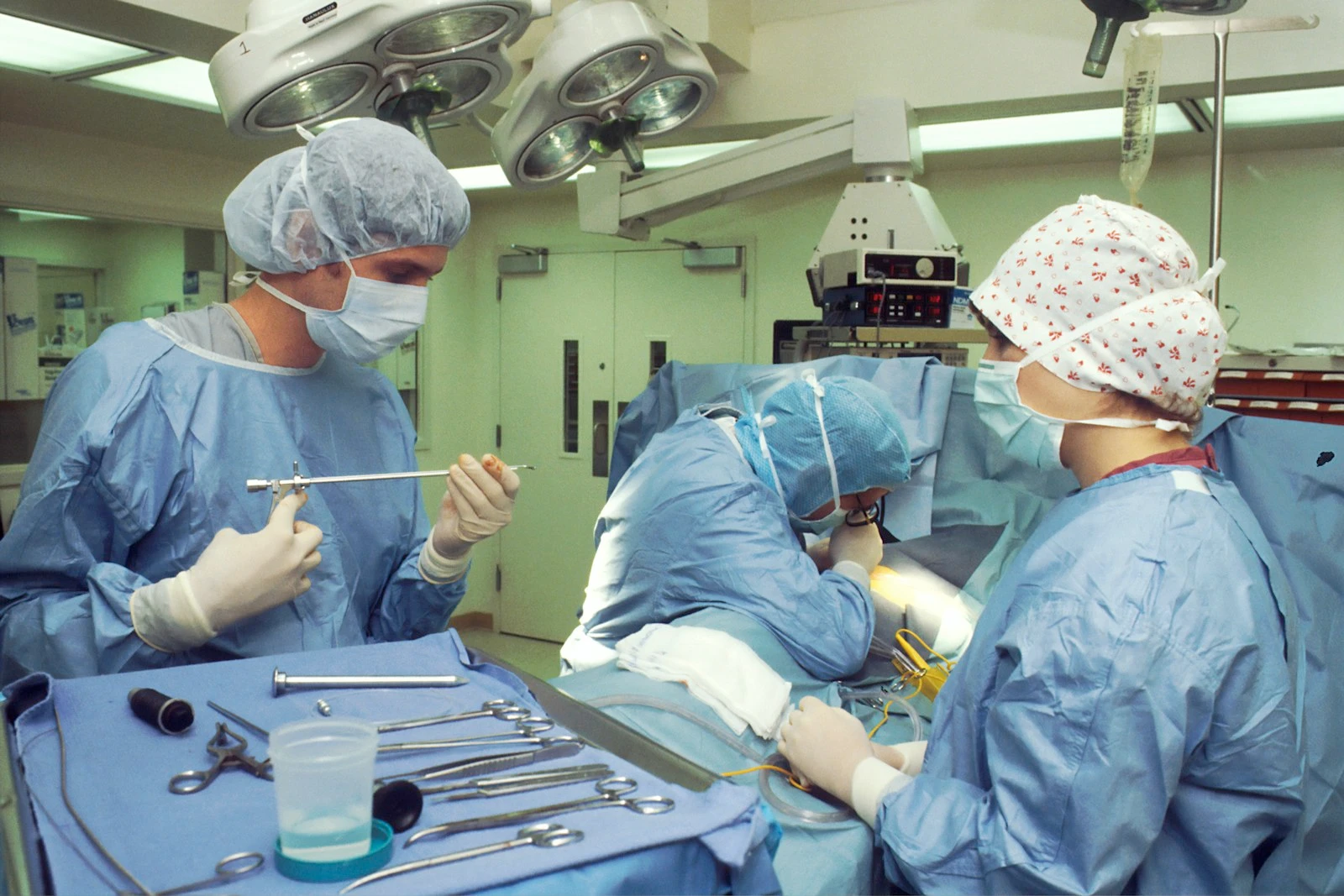
The dog is anaesthetised with drugs safe for the puppies (epidural + short-acting injectable anaesthetic when possible). The surgeon makes an incision on the midline of the abdomen, opens the uterus, and gently delivers each puppy. As soon as a puppy is out, it is taken by an assistant who clears the airways, stimulates it, and warms it. The uterus and abdomen are then closed layer by layer. The whole operation usually takes 60-120 minutes.
After the procedure
The dog wakes up gradually in a warm area under the team's supervision. As soon as possible, the puppies are brought to her to begin nursing. We check that milk is available and that the puppies suckle. You will go home with clear instructions: quality food for the mother (generous, calorie-dense rations), monitoring the incision, warning signs (fever, foul-smelling discharge, refusal of the puppies, refusal of food), the timing of follow-up and stitch removal (10-14 days).
Risks and considerations
A caesarean is a major operation, and the risk depends greatly on the dog's condition on arrival. Possible complications include:
- Anaesthetic risk for both mother and puppies — minimised by modern protocols.
- Bleeding during or after surgery, continuously monitored.
- Infection or wound breakdown, prevented with antibiotics and careful home care.
- Post-operative metritis (uterine infection), which is why we monitor vulvar discharge.
- Loss of some puppies in cases brought in late — every hour of obstructed birth reduces the chances of survival.
- Risk of recurrence in future pregnancies, which is why we discuss later spaying.
Though it is a major operation, a caesarean performed in time often saves the life of the mother and the whole litter.
Frequently asked questions
- How much does a caesarean cost at Vetero? The fee is 900-1350 lei, depending on the dog's size, the number of puppies, and the complexity of the case. It includes anaesthesia, surgery, puppy resuscitation, and post-operative monitoring.
- Can I take her home the same day? Usually yes, once she has fully woken up, accepts the puppies, and has received full aftercare instructions.
- Will she be able to have puppies again? Technically yes, but in breeds with structural risk (brachycephalic, narrow pelvis) and after several caesareans, we recommend spaying for her health.
- Is an elective caesarean safer than an emergency one? Yes, significantly. With prior scheduling, the timing is optimised for the puppies (after lung maturation) and exhaustion of the mother is avoided. Discuss this option with your vet if your breed is known to be at risk.