What is a caesarean section in cats?
A caesarean section is a surgical procedure in which the kittens are removed from the mother's uterus through an incision in the abdomen, when natural birth cannot continue safely. In cats, this procedure is less common than in dogs, but when it is needed, the timing of the decision matters enormously for the life of the mother and her kittens.
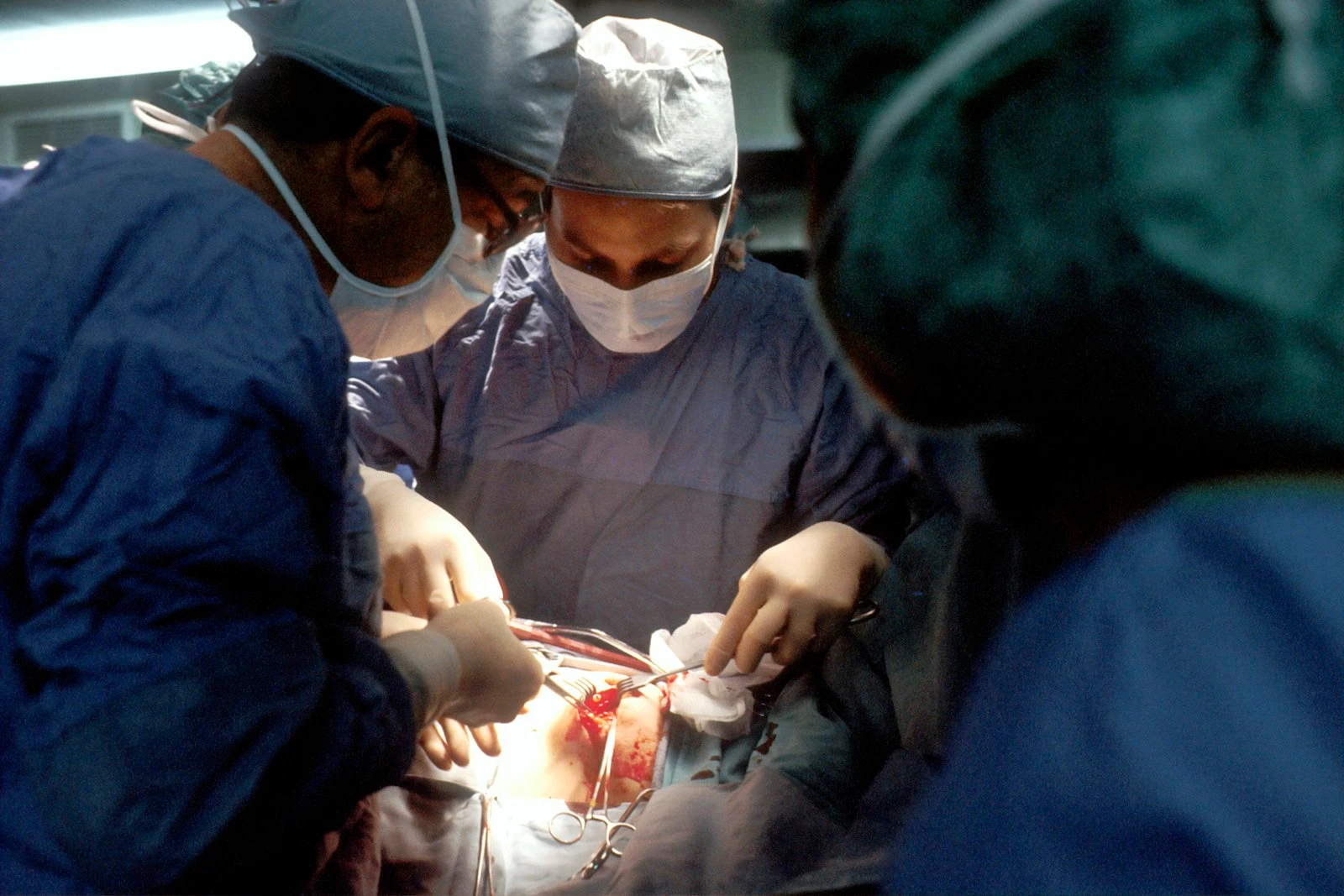
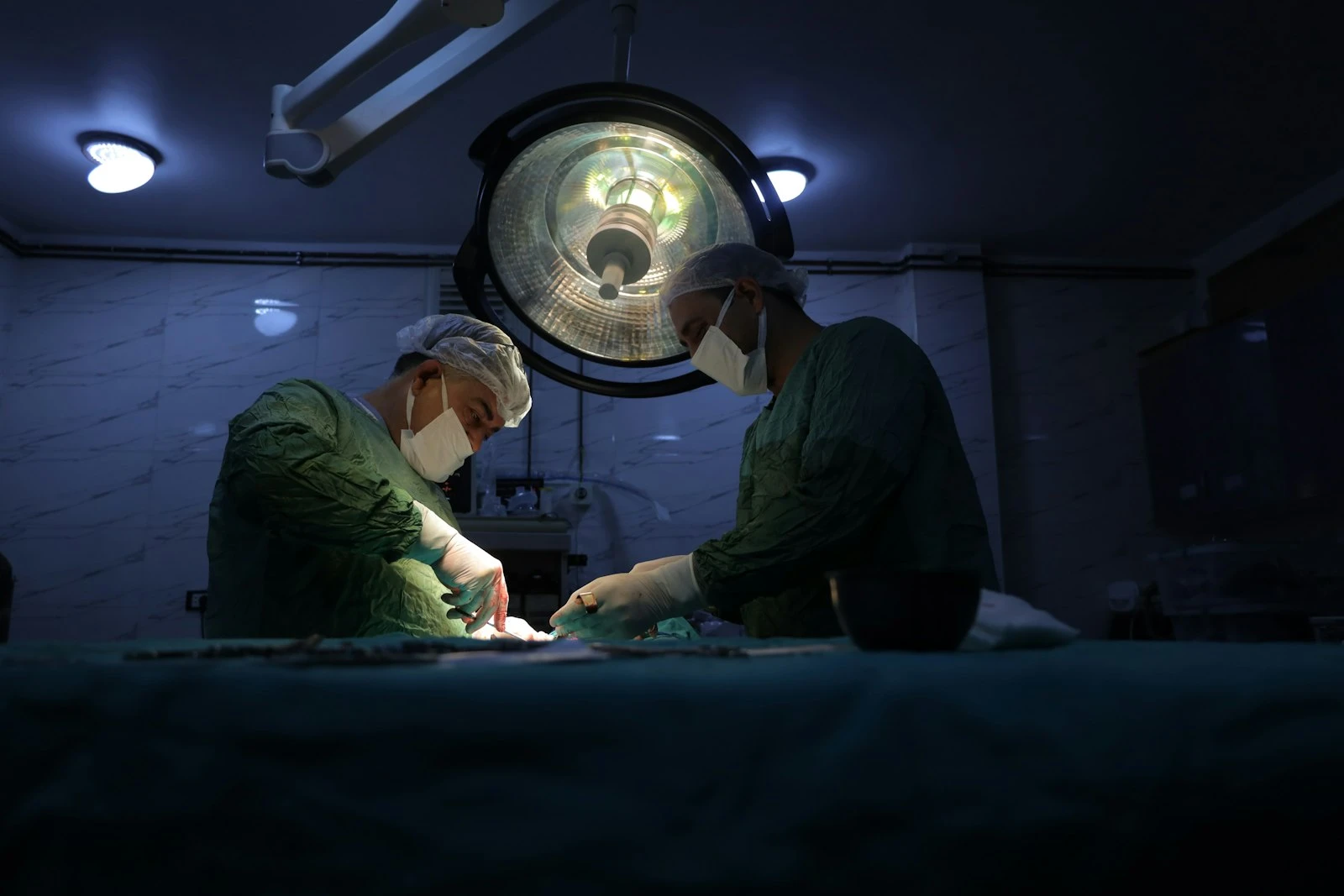
At Vetero, the caesarean is performed under general anaesthesia, with protocols carefully chosen to minimise effects on the kittens. The whole team — surgeon, anaesthetist, and assistants — is ready to receive each kitten and resuscitate it immediately if needed.
When is it needed?
The decision to perform a caesarean is made when natural birth (queening) is not progressing or is endangering the cat. The most common situations are:
- Dystocia, meaning an obstructed birth, when contractions are present but the kittens are not delivered.
- Oversized kittens or kittens positioned incorrectly in the birth canal.
- Narrow pelvis in the mother, especially in cats with a particular anatomy (e.g. brachycephalic breeds such as Persians).
- Primary or secondary uterine inertia, when the uterus no longer has the strength to push the kittens.
- Foetal distress identified by ultrasound or heart monitoring.
- An exhausted or bleeding cat, when continuing labour would put her in danger.
Warning signs at home: over 24 hours since the temperature drop with no signs of birth, strong contractions for more than 30 minutes without a kitten being born, green-black vaginal discharge or heavy bleeding, an obviously exhausted cat. In any of these situations, call us immediately.
What to expect
Before the procedure
On arrival at the clinic, we quickly assess the condition of the cat and her kittens: clinical examination, ultrasound, and X-ray if needed. We prepare the operating room and a warm, specially set up area for resuscitating the kittens. We explain clearly what is coming and obtain your informed consent.
During the procedure
The cat is anaesthetised with drugs that are safe for the kittens. The surgeon makes an incision on the midline of the abdomen, opens the uterus, and gently delivers each kitten. As soon as a kitten is out, it is taken by an assistant who clears the airways, stimulates it, and warms it. The uterus and abdomen are then carefully sutured. The whole operation takes around 45-90 minutes.
After the procedure
The cat wakes up gradually and is reunited with her kittens in a warm, quiet space as soon as possible. We check that she accepts the kittens and that nursing begins. You will go home with clear instructions: quality food for the mother, monitoring the incision, warning signs in the mother and kittens, and the timing of the follow-up visit and stitch removal (usually at 10-14 days).
Risks and considerations
A caesarean in cats is an emergency procedure, so the risks are higher than for a planned operation. Possible complications include:
- Anaesthetic risk for both mother and kittens — minimised by modern protocols.
- Bleeding during or after surgery, continuously monitored.
- Infection or wound breakdown, prevented with antibiotics and careful care.
- Refusal to nurse or difficulties with some kittens, in which case we will guide you through assisted feeding.
- Risk of recurrence in future pregnancies, which is why we recommend later spaying for cats who have had a caesarean.
Though it is a major procedure, a caesarean performed in time often saves the life of the mother and the whole litter.
Frequently asked questions
- How much does a caesarean for a cat cost at Vetero? The fee is 700 lei and includes anaesthesia, surgery, kitten resuscitation, and post-operative monitoring.
- Can I take her home the same day? Usually yes, once she has fully woken up and accepted the kittens, with detailed care instructions.
- Will she be able to have kittens again in the future? In principle yes, but if the reason was anatomical (narrow pelvis), the chance of a repeat caesarean is high. Discuss spaying with your vet after this event.
- How quickly do we need to reach the clinic in an emergency? As soon as possible. Every hour of obstructed birth reduces the kittens' chances; you can call us first so we are ready.