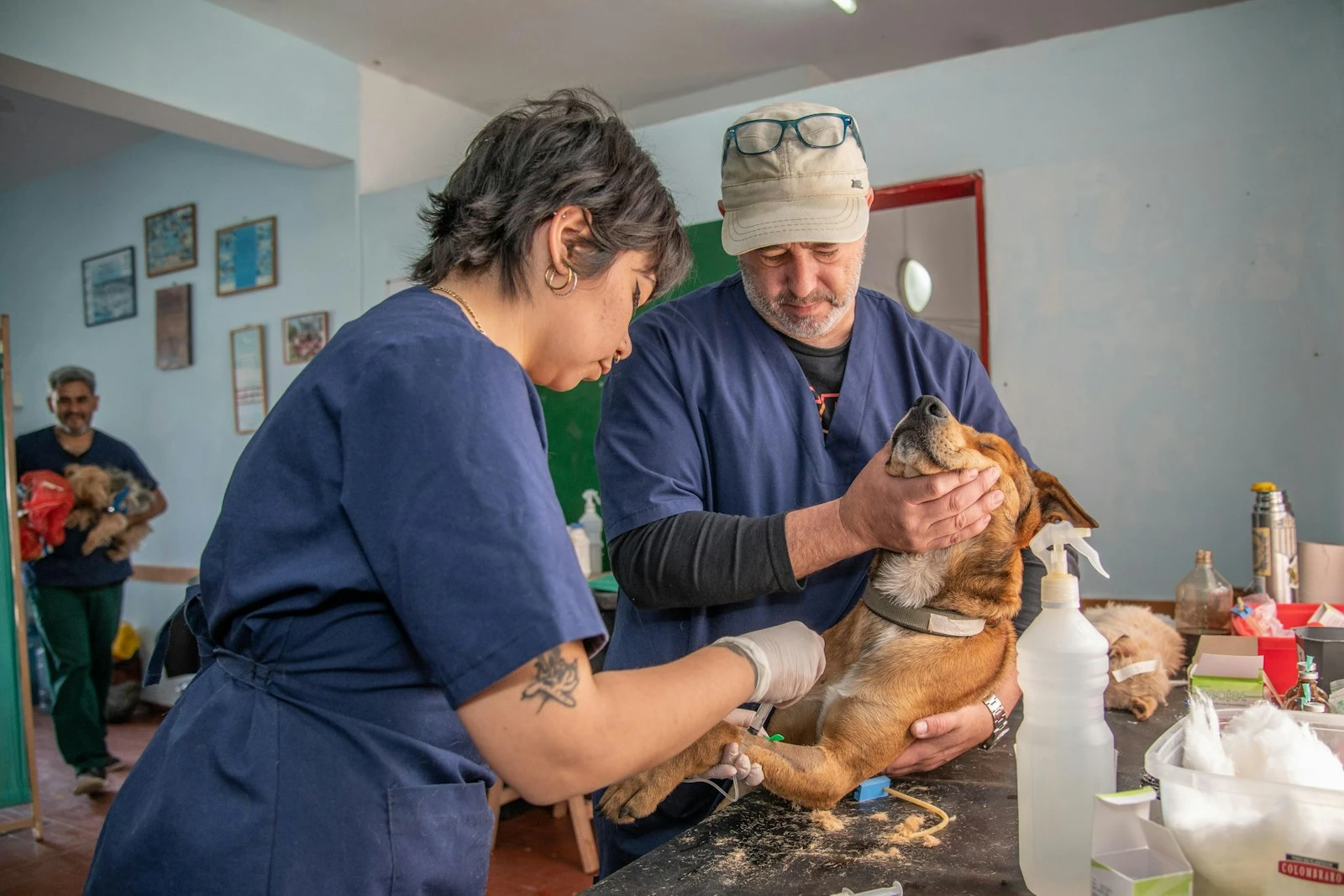
What is a blood transfusion in cats?
A blood transfusion is a medical procedure in which your cat receives whole blood or blood components from a compatible feline donor. One unit of blood contains red blood cells, plasma, platelets, and clotting factors, all essential for oxygen transport and proper bodily function.
In cats, blood-type compatibility is especially important: there are three blood groups (A, B, and AB), and an incompatible transfusion can trigger a severe reaction, even on the very first administration. That is why at Vetero we always determine the blood type of both patient and donor and perform a compatibility test (crossmatch) before every transfusion.
When is it needed?
Your veterinarian may recommend a transfusion in several situations, including:
- Severe anemia caused by infectious diseases (FeLV, FIV, mycoplasmosis), immune-mediated diseases, or chronic kidney disease.
- Acute hemorrhage after accidents, complex surgeries, or ruptured internal tumors.
- Clotting disorders, including poisoning with anticoagulant rodenticides.
- Bone marrow failure, when the body can no longer produce enough blood cells.
Signs that may point to the need for a transfusion include marked weakness, pale or yellowish gums, rapid and shallow breathing, refusal to eat, and collapse.
What to expect
Before the procedure
Before the transfusion, the veterinarian runs complete blood tests to confirm the diagnosis and to determine how many units are needed. We identify your cat's blood type and perform a compatibility test with the donor's blood. We will explain your pet's condition and the associated risks in plain language.
During the procedure
Your cat is settled comfortably, often in a quiet area, and the blood is administered slowly through an intravenous catheter. In cats, transfusions use smaller volumes (typically 30 to 60 ml per session) and last between 2 and 4 hours. Throughout the procedure, the medical team monitors temperature, pulse, breathing, and general condition, so any reaction can be spotted immediately.
After the procedure
After the transfusion, your cat remains under observation for a few hours or overnight, depending on their condition. We repeat the blood tests to assess how effective the transfusion has been. At home, we will recommend rest, a calm environment, easily digestible food, and careful monitoring of behavior over the following days.
Risks and considerations
Although a transfusion is a safe procedure when performed correctly, there are risks worth knowing:
- Severe immune reactions if blood types are incompatible - which is why testing is mandatory.
- Allergic reactions, presenting as fever, shivering, or vomiting.
- Circulatory overload, especially in cats with heart conditions.
- Transmission of infectious diseases, a risk kept to a minimum by carefully screening donors for FeLV, FIV, and other diseases.
In the vast majority of cases, the benefits far outweigh the risks, and a transfusion is often the only way to save the cat's life.
Frequently asked questions
- How much does a feline transfusion cost? At Vetero, the base price for a blood transfusion in cats is 500 lei, to which fees for blood typing and the compatibility test may be added.
- Where does the blood come from? From healthy donor cats, screened for FeLV, FIV, and other infectious diseases, with a known blood type.
- How long does a transfusion's effect last? Transfused red blood cells live for 3 to 5 weeks; sometimes repeat transfusions are needed until the body resumes its own production.
- Can my cat donate blood? Yes, if they are healthy, between 1 and 8 years old, weigh more than 4.5 kg, and have a calm temperament.
- Is the procedure painful? No, only placing the catheter causes mild discomfort, similar to a routine injection.